
Retiring in Mexico from Australia: costs, visas, pension and health cover (2026)
Visitors can be given up to 180 days, and day-to-day costs are lower than at home. Lake Chapala, near Guadalajara, has an established foreign retiree community.
Checked 21 October 2026, re-checked monthlyBy the Retirees Abroad teamGeneral information only, how we check
The short answer
Our estimate for a month near Lake Chapala, based on Guadalajara, is about A$3,810 for a couple or A$2,810 for one person, rent included (October 2026). Australians can visit for up to 180 days if the officer allows it; longer stays need a temporary resident visa from the embassy in Canberra. Mexico has no Medicare or social security agreement with Australia.
Mexico at a glance
- A comfortable month, couple
- About A$3,810
- A comfortable month, one person
- About A$2,810
- Visa for a visit
- Up to 180 days as a visitor; temporary resident visa for longer
- Weather
- Dry winters; rain June to September around Guadalajara
- Costs based on
- Guadalajara, the nearest city to Lake Chapala with full Numbeo data
- Medicare agreement
- No
- Social security agreement
- No
- Tax treaty with Australia
- Yes, in force since 31 December 2003
- Long-stay visa
- Temporary resident visa, applied for in person at the embassy in Canberra
- Flight from Sydney
- No non-stop flight; at least one stop, usually in the United States
- Time difference
- 16 hours behind Sydney in our winter, 17 in daylight saving
Costs are mid-range estimates in Australian dollars, rent included, for a comfortable month. For comparison, a comfortable month in Australia is about A$6,580 for a couple who own their home (ASFA, June quarter 2026).
Who Mexico suits, and what to weigh up
Mexico suits you if you want a long, warm winter away and you’re comfortable planning around safety advice. Smartraveller says Australians can be given up to 180 days as tourists, which covers our whole winter. Numbeo puts Melbourne’s living costs, before rent, about 86% above Guadalajara’s (20 October 2026).
Smartraveller advises a high degree of caution across Mexico because of violent crime, and it says reconsider your need to travel to several states. There’s no non-stop flight from Australia, and no Medicare or social security agreement.
Living there for good is harder. The temporary resident visa has a money test that the Mexican embassy’s 2022 guidance said Centrelink payments could not meet. The 2026 amounts published by Mexico’s consulate in San Diego are well above the Age Pension. Near the coast and the borders, a foreigner can’t hold a home in their own name, only through a bank trust. On tax, Australia and Mexico have had a treaty in force since 2003.
What a month costs
Our estimate for a month near Lake Chapala is about A$3,810 for a couple and A$2,810 for one person, rent included. Numbeo has no full cost page for the lakeside towns, so we use Guadalajara, the nearest city, about 45 kilometres away.
| A month based on Guadalajara | Couple | One person |
|---|---|---|
| Rent, one-bedroom flat in the centre | A$1,200 | A$1,200 |
| Living costs (food, transport, bills) | A$1,740 | A$970 |
| Eating out, local trips and extras (30%) | A$870 | A$640 |
| Total | A$3,810 | A$2,810 |
How a month in Mexico compares
For a couple
- Mexico, our estimate
- A$3,810
- Comfortable in Australia
- A$6,580
- Age Pension, the most paid in Australia
- A$4,040
About A$2,770 a month less than a comfortable month in Australia.
For one person
- Mexico, our estimate
- A$2,810
- Comfortable in Australia
- A$4,680
- Age Pension, the most paid in Australia
- A$2,680
About A$1,870 a month less than a comfortable month in Australia.
Not built the same way: Australia's figure (ASFA Retirement Standard, comfortable, June quarter 2026) assumes you own your home and includes health insurance; our estimate for Mexico includes rent and leaves health insurance out. Age Pension: the most paid in Australia from 20 September 2026; living overseas for good, the base rate is about A$3,710 a month for a couple and A$2,460 for one person.

Our estimate: Numbeo’s living costs for one person (without rent) plus a one-bedroom city-centre rent, plus 30% for eating out, local trips and extras. For a couple, living costs times 1.8. Converted at the Reserve Bank of Australia’s average exchange rate for the 12 months to September 2026 (A$1 = US$0.6919). The RBA doesn’t publish a peso rate, so we used Numbeo’s US dollar figures, converted at the RBA’s average US dollar rate. Health insurance is not included. Numbeo’s Guadalajara page was last updated on 20 October 2026: US$668 a month (about A$970) in living costs for one person and US$827 (about A$1,200) for the flat.
Worked out the same way, Mérida comes in a little lower, at about A$3,580 for a couple and A$2,510 for one person. Short furnished lets usually cost more than the long-term rents in these figures.
Against the Age Pension. After 12 weeks away, the most the pension pays is the base rate: about A$2,460 a month for one person and A$3,710 for a couple, before tax (rates from 20 September 2026). That leaves a couple about A$100 a month short of our Guadalajara estimate. One person is about A$350 short.
What costs more than you’d expect. Health cover is the big one, and our estimate leaves it out. Smartraveller says private treatment in Mexico is very expensive and you’ll likely pay up front, then claim from your insurer. Every trip home means at least one change of plane, usually in the United States. Then there are the costs of the visa itself: Mexican consulate fees, the migration office’s card fees and, at the end of 4 years, the fees for permanent residence (see the visa section below).
Renting long term. We found no official guide to how long-term leases usually work in Mexico. Before you sign, these are worth having in writing: the rent and what it covers, the deposit and when it comes back, who pays for repairs, and the notice to leave early. Short furnished lets usually cost more, but a month or two in one lets you see a street in the summer rains before you commit to a year. If you buy instead, the rules are different again: see renting or buying a home below.
Visas for Australians

Australians can visit for up to 180 days if the immigration officer allows it. Longer stays need a temporary resident visa, applied for in person at the embassy in Canberra. There’s also a permanent resident visa for pensioners, with a much higher money test; whether the Age Pension counts is a question for the embassy. Its 2022 guidance for the temporary visa said Centrelink payments weren’t accepted as proof of income, and the consulate makes the decision.
Visiting. Smartraveller says Australians visiting for tourism can be allowed up to 180 days. That period isn’t guaranteed. The immigration officer decides, usually based on how long you say you’re staying, and you can’t extend it if you later want to stay longer. If your passport has a chip you can use the e-gates at several major airports, which print a QR code showing your days. Without a chip, you fill in an online immigration form (the FMM) and get a QR code, and your passport needs a stamp.
Staying longer. For more than 180 days you need a temporary resident visa, and you apply in person at the Embassy of Mexico in Canberra. It’s the only office in Australia that handles it. The visa is for one entry. Within 30 days of arriving you swap it at Mexico’s National Migration Institute (INM) for a resident card, which can be renewed for up to 4 years in all. It doesn’t include permission to work.
The money test. You show either savings or a steady income, and Mexico sets the amount. In the Canberra embassy’s 2022 guidance you could show either:
- savings averaging 5,000 days’ minimum wage in every one of the last 12 months, or
- steady income of 300 days’ minimum wage in every one of the last 6 months.
That guidance put the income test at 42,510 pesos a month (about A$3,490). It said “Centrelink payments, transfers between your accounts or bank deposits will not be considered”, that super counts only if you can already get to it, and that your house can’t be used. Statements had to come from an Australian institution. Mexico’s minimum wage has since risen to 315.04 pesos a day (about A$26), from 1 January 2026, says Mexico’s minimum wage commission.
We could not read the Canberra embassy’s current pages, which sit behind a bot check. Mexican consulates in other countries publish their own 2026 sheets, which give a sense of current amounts. The Consulate General of Mexico in San Diego asks for savings with a monthly balance of at least US$68,241 (about A$98,630) across the last 12 months. The alternative is income of at least US$4,049 a month (about A$5,850) from a job or pension, for the last 6 months. Its fee is US$56 (about A$81). Those figures are for a United States office; the embassy in Canberra sets and confirms its own. Our guide to retirement visas by age compares other countries.
Other conditions. The San Diego sheet asks for original bank statements carrying the bank’s stamp or a letter from the bank, with your full name and street address. Documents from outside Mexico need an apostille or legalisation, and an official Spanish translation. The consulate interviews you and takes your fingerprints. It says the decision is final, and a visa only lets you ask for entry: the officer at the border still decides. None of the consulate sheets we read set an age limit.
Renewing, and staying for good. The INM says to renew your card when it has 30 days or less to run, in person, for your signature and fingerprints. After 4 years in a row as a temporary resident, you can apply to change to permanent resident. The INM also lists being a pensioner or retiree as its own route. On gob.mx that change costs 1,847 pesos (about A$150) plus 13,579 pesos (about A$1,110), and takes 20 business days. To apply for permanent residence straight from abroad, San Diego’s 2026 sheet asks for a pension of US$7,560 a month (about A$10,930), or savings of US$303,880 (about A$439,000). Whether the Age Pension counts towards that is a question for the embassy in Canberra.
A partner who doesn’t meet the test. A partner can come through the family route. The 2022 Canberra guidance let a partner apply as a dependant with an extra 100 days’ minimum wage per family member. San Diego’s 2026 family sheet asks for US$1,310 a month (about A$1,890) per dependant, as income or as a savings balance, plus your marriage certificate.
Documents to get in Australia before you go. Ask the embassy which papers it wants, and whether any need an apostille, while you are still in Australia. An Australian Federal Police national police check costs A$57, and the AFP says most online checks arrive within a few days. One with fingerprints costs A$114 and takes 15 to 30 business days. DFAT legalises Australian documents with an apostille, at an Australian Passport Office by appointment or by mail, and Smartraveller says processing times vary. The consulate sheets also ask for an official Spanish translation.
Mexico’s embassy in Canberra, or a licensed visa agent in Mexico, can confirm the current amounts. Questions worth asking: whether Centrelink payments are still excluded, whether a super income stream counts as income, and how a couple applies.
Your Age Pension and Medicare in Mexico
Services Australia says your Age Pension can keep paying while you’re overseas, and with no time limit. After 6 weeks away the Energy Supplement stops and your Pensioner Concession Card is cancelled. At 12 weeks the Pension Supplement stops completely (since 20 September 2026). After 26 weeks you’re paid a proportional rate if you lived in Australia less than 35 years between age 16 and pension age. Our guide to the 6, 12 and 26-week rules explains each step.
Mexico isn’t a social security agreement country, so you have to claim the Age Pension before you leave, while you’re living in Australia. If you move overseas for good, you get the base rate only from the day you leave: A$29,520.40 a year single, A$44,506.80 for a couple.
Department of Social Services figures released under freedom of information show 21 people getting the Age Pension in Mexico at the end of 2025, up from 17 at the end of 2020. They were paid an average of about A$871 a fortnight each.
Medicare never pays for treatment overseas, and Australia has no reciprocal health care agreement with Mexico. If you’re an Australian citizen and move overseas, you can still use Medicare for treatment in Australia, on visits home, for up to 5 years after you leave. Visits home don’t restart that clock. After that, you re-enrol when you move back. Permanent residents are different: their enrolment ends 12 months after they leave. Our guide to Medicare overseas has the detail.
Health care and insurance

Smartraveller says private hospitals in Mexico City and other major cities provide a reasonable standard of care, though they may not meet Australian standards, and services are limited in rural areas. Private treatment is very expensive and you’ll likely pay up front, then claim from your insurer. Doctors and staff may only speak Spanish. Many ambulances are private and can charge a lot. Some take patients to hospitals they have commercial arrangements with, Smartraveller warns, instead of the nearest suitable one.
What is where. The Australian Embassy’s site doesn’t publish a list of hospitals. A list published by the UK government (updated April 2021) shows several private hospitals and a public regional hospital in Guadalajara, with another private hospital in neighbouring Zapopan. It lists none at Lake Chapala, about 45 kilometres away. Mérida has private hospitals and a public general hospital on the list, and Puerto Vallarta has two private hospitals. San Miguel de Allende has a public general hospital; the nearest private hospitals on the list are in Querétaro, 86 kilometres away, and León. Before renting, it’s worth knowing which hospital handles emergencies near you and how long the drive is.
When care means travelling. Smartraveller says services are limited in rural areas, so serious care can mean the road to a big city. For a visit, the usual type of cover is travel insurance for a single long trip that includes hospital stays and medical evacuation, which Smartraveller says you need.
Guadalajara sits at about 1,560 metres and San Miguel de Allende at about 1,900. Smartraveller says parts of Mexico are at high altitude and air pollution can be a problem in December to February. It suggests talking to your doctor before you travel if you have heart, lung or breathing problems. Dengue and other mosquito-borne diseases are a risk.
Your medicines. COFEPRIS, Mexico’s health regulator, issues permits to import medicines for personal use, and the quantity has to match your prescription. Medicines that contain narcotic or psychotropic substances go through a separate permit that takes up to 14 business days. The embassy or COFEPRIS can say whether a medicine you take daily needs a permit. Our guide to taking medicines overseas has the Australian side.
If you live there, the usual type is international health insurance, and age limits matter: our guide to international health insurance by age explains them. Ask the oldest age you can join, whether cover continues as you get older, and whether it pays for evacuation. Mexico’s social security institute, IMSS, also sells a voluntary health insurance for people without social security, with an annual fee by age. It doesn’t accept people with a list of existing conditions, including some cancers, heart failure and chronic kidney failure. Ask IMSS whether you can join as a resident. If you’d like help working out where to start, book a free planning session on Zoom.
Where Australians live
There’s no official count of where Australians settle in Mexico, and the numbers are small. These five areas are the ones to compare.
| Area | What it’s like | Getting around | Hospital | Airport |
|---|---|---|---|---|
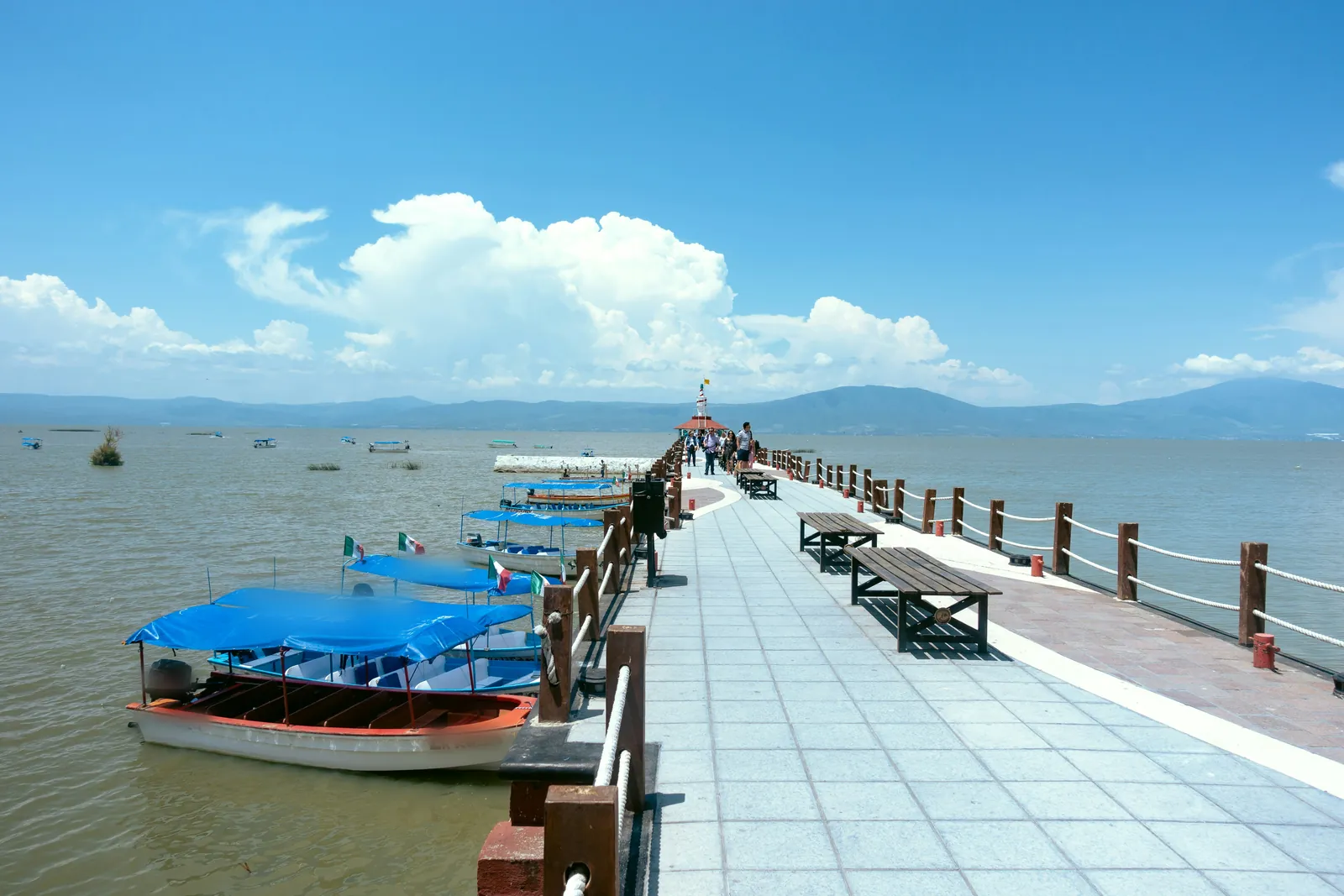
| Lake Chapala (Chapala and Ajijic) | Small lakeside towns at about 1,500 m, with a foreign retiree community | About 45 km by road to Guadalajara for the airport and hospitals | None on the UK list; Guadalajara’s are nearest | Guadalajara international |
| Guadalajara | The big city nearest the lake, in a valley at about 1,560 m; our cost base | Light rail, rapid bus lines, city buses and some pedestrian streets | Private hospitals and a public regional hospital | Guadalajara international |
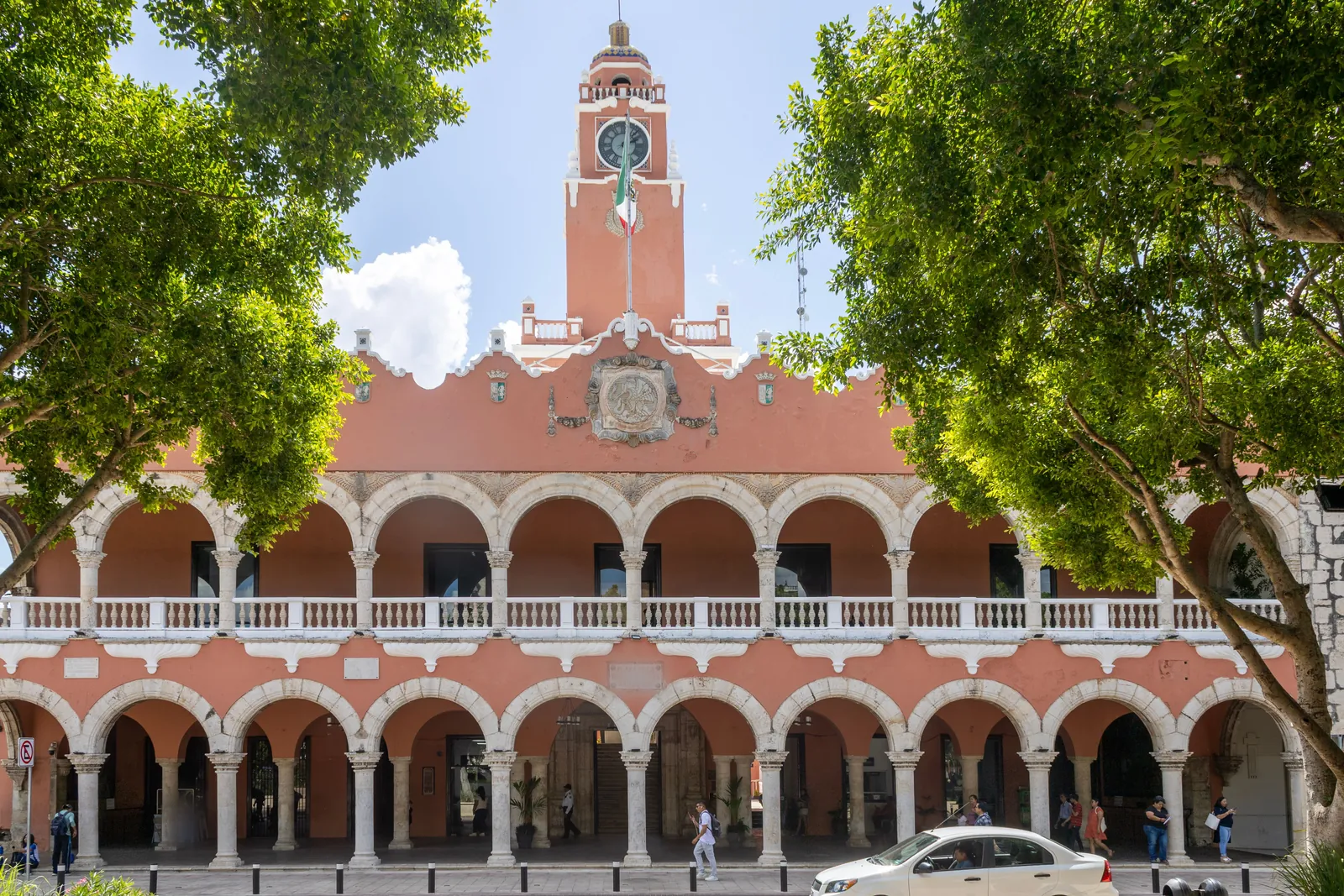
| Mérida | Hot, low-lying city in Yucatán, about 35 km from the coast | Very flat; city buses and a rapid bus line | Private hospitals and a public general hospital | Mérida international |
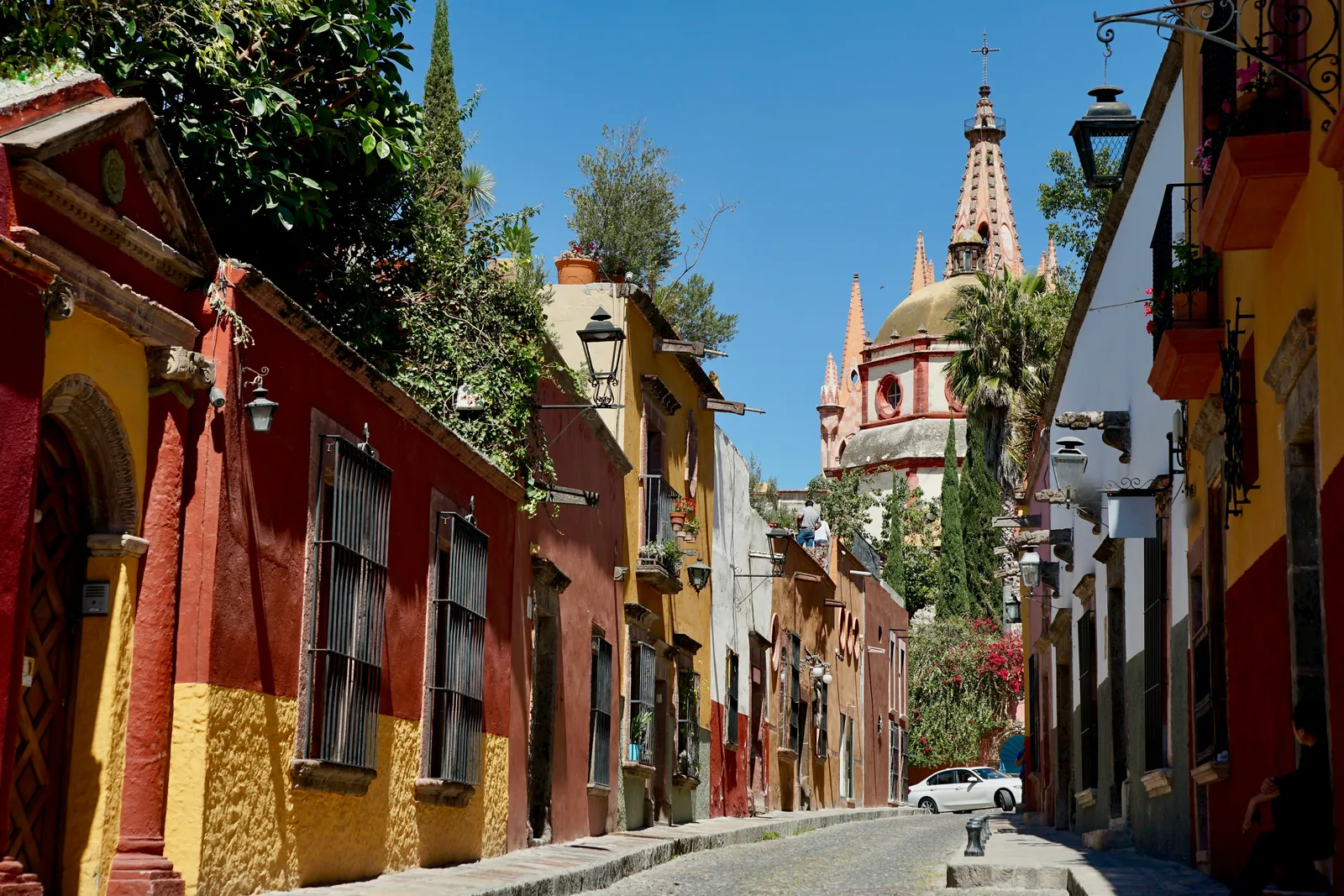
| San Miguel de Allende | World Heritage town at about 1,900 m in Guanajuato | Hilly, with narrow cobblestone lanes | Public general hospital; private hospitals in Querétaro (86 km) and León | Querétaro or León |
| Puerto Vallarta | Beach city on the Pacific in Jalisco | Narrow coastal plain, with streets up the hillsides and a seafront walkway | Private hospitals | Puerto Vallarta international |
Lake Chapala has had foreign retirees, mostly from the United States and Canada, since the 1950s. Wikipedia reports an estimated 30,000 foreign residents around the lake.
Guadalajara is the nearest big city to the lake, with an international airport and private hospitals. It has three light rail lines and rapid bus routes as well as city buses, Wikipedia reports. Our costs are based here.
Mérida is very flat, only 9 metres above sea level, with a colonial historic centre laid out on a grid of numbered streets, Wikipedia reports. Its own international airport has flights within Mexico and to a few cities in the United States, Canada and Cuba.
San Miguel de Allende is a World Heritage town in the hills of Guanajuato. Wikipedia reports an estimated 20,000 to 25,000 foreign residents in the municipality. Guanajuato is one of the 11 states where Smartraveller says reconsider your need to travel, except on Federal Highway 45D and in the areas north-east of it. Which side of that line a home falls on is worth checking in the current advice.
Puerto Vallarta sits on a narrow coastal plain below the mountains, with its own international airport. It’s in Jalisco, one of the Pacific coast states Smartraveller names for a higher risk of drug-related violence, and Smartraveller lists it among the tourist areas where violent crimes occur. Being on the coast, it’s also inside the strip where foreigners hold property through a bank trust.
Smartraveller’s advice changes, so the current advice for a town is worth reading before you rent there; the safety section below has the state levels. If you’re comparing Central America too, our Costa Rica page works the same numbers for San José.
The Australian Embassy is in Mexico City, with an honorary consulate in Cancún.
Renting or buying a home
Foreigners can rent, and can buy, but where the home is decides how they hold it. Mexico’s Constitution sets aside a restricted zone: a strip 100 kilometres wide along the borders and 50 kilometres wide along the coast.
Outside the restricted zone, a foreign buyer can own a home outright. First, the buyer signs an agreement with Mexico’s foreign ministry (the SRE) to be treated as a Mexican for that property. In it you agree not to ask your own government to protect you over the property. The penalty for breaking that agreement is losing the property to the Mexican state, Mexico’s economy ministry explains. Its 2016 guide said the step cost nothing and took two business days.
Inside the restricted zone, a foreigner can’t hold title to a home. The route is a trust (fideicomiso): a Mexican bank holds the title as trustee, and you have the use and benefit of the home. The bank needs an SRE permit, and the SRE says the trust can run for up to 50 years for a home.
Lake Chapala, Guadalajara and San Miguel de Allende are inland. Puerto Vallarta is on the coast, so it’s inside the zone. Mérida is about 35 kilometres from the coast, Wikipedia reports, so whether a property there falls inside the strip is worth checking. The economy ministry’s guide says the SRE’s legal office can confirm whether a property is in the zone.
We found no official Mexican list of buyer scams. Our guide to overseas property and visa scams covers the warning signs, including deals that put a home in someone else’s name.
The people to ask are a notary (notario público) and a property lawyer in Mexico, who can check the title, the zone and the trust terms. For the Australian side, see whether to keep, rent or sell the family home.
Tax: there and at home
Mexico’s Federal Tax Code makes you a tax resident if you have set up your home there. If you also have a home in another country, you’re resident in Mexico when your centre of vital interests is there. The code gives two examples: more than half your income in the year comes from Mexico, or Mexico is the main centre of your professional activities. The copy we read on the tax office’s site is an older consolidated text. Several US pages give a 183-day rule instead, which isn’t the test in that code.
Australia and Mexico have a tax treaty, signed on 9 September 2002 and in force since 31 December 2003, Treasury’s list shows. A treaty normally settles which country taxes which income, and which country counts you as resident if both do.
At home, the ATO’s residency tests decide whether you are still an Australian resident for tax; our guide to tax residency when you retire overseas walks through them. If you become a foreign resident, you lose the tax-free threshold, so Australian income such as rent is taxed at 30% from the first dollar (2025-26). The foreign resident tax rates guide has the detail. Sell your Australian home while you are a foreign resident and, for sales after 30 June 2020, you generally lose the main residence exemption from capital gains tax, apart from narrow life events.
Talk to a registered tax agent in Australia, and to a tax adviser in Mexico about how it treats your pension and super, before you go.
Money and banking
Mexico’s currency is the peso. Over the 12 months to September 2026, A$1 bought about 12.19 pesos, using Banco de México’s average rate against the US dollar and the RBA’s.
Your pension. Services Australia pays every 2 weeks into your Australian account if you’ll be away less than 12 months. Away longer, it pays every 4 weeks into an Australian or overseas account. Paid overseas, the money comes in the local currency or US dollars, depending on the country, usually within 2 to 6 days. Bank fees are yours. Our guide to living overseas on the Age Pension has the numbers.
Your Australian bank, for the visa. The visa money test is shown on bank statements. The 2022 Canberra guidance wanted statements from an Australian institution, and San Diego’s 2026 sheet wants originals with the bank’s stamp or a letter. Your bank can tell you how it issues stamped statements for a foreign consulate.
A local account. Mexican banks set their own rules for foreigners, so the bank itself can tell you what it needs. Ask whether it wants your resident card.
Moving money. The main options are a transfer from your Australian bank, a currency transfer service, or cash from an ATM on an Australian card. Each charges a fee and builds a margin into its exchange rate; ask for both.
Currency swings. Your pension is in Australian dollars and your bills are in pesos, so the exchange rate sets what a month really costs. At 12.19 pesos to the dollar, 10,000 pesos is about A$820. If the Australian dollar fell 10%, the same 10,000 pesos would cost about A$910.
Day to day
Language. Spanish is the language of daily life, and Smartraveller warns that doctors and hospital staff may only speak Spanish. Consular interviews for the visa are held in English or Spanish, the San Diego sheets say.

Getting around without driving. Where you live sets how easy this is. Lake Chapala is about 45 kilometres by road from Guadalajara, where the airport and the major hospitals are. San Miguel de Allende’s lanes are narrow cobblestones that rise and fall over the hills, Wikipedia reports, which matters if walking is hard. Smartraveller says not to travel at night outside major cities.
Driving. Smartraveller says you need a current Australian driver’s licence to drive, and that foreign digital licences aren’t accepted. It doesn’t mention an International Driving Permit. Driving without insurance and failing to report a road accident are illegal for foreigners, it says. Once you’re a resident, the transport office of the state you live in can tell you whether you need a Mexican licence.
Safety. Smartraveller advises a high degree of caution across Mexico because of violent crime (advice updated 15 October 2026). It says reconsider your need to travel to all or parts of 11 states, including Guanajuato, Guerrero and Michoacán. Jalisco and Yucatán are not on that list. Smartraveller names Jalisco among the Pacific coast states where drug-related violence is a higher risk.
Weather. Around Guadalajara the winter is dry and the rain falls from June to September. Mexico’s national weather service records these averages for the city:
| Month in Guadalajara | Average high | Average low | Rain |
|---|---|---|---|
| January | 25°C | 10°C | 20 mm |
| February | 27°C | 11°C | 5 mm |
| March | 29°C | 13°C | 4 mm |
| April | 31°C | 15°C | 7 mm |
| May | 32°C | 17°C | 19 mm |
| June | 31°C | 18°C | 185 mm |
| July | 27°C | 17°C | 274 mm |
| August | 27°C | 17°C | 220 mm |
| September | 27°C | 17°C | 166 mm |
| October | 27°C | 15°C | 51 mm |
| November | 27°C | 13°C | 15 mm |
| December | 25°C | 11°C | 8 mm |
Figures: Servicio Meteorológico Nacional records from 1971 to 2000, published by the World Meteorological Organization.
Mérida is hotter, with average highs from 31°C in December to 36°C in May, and most rain from June to October. Wikipedia reports that tropical storms affect the area in that season. Puerto Vallarta’s rain falls mostly from July to September, and hurricanes are infrequent but do happen, Wikipedia reports.
Public holidays. Mexico’s Federal Labour Law sets the days of obligatory rest. They are 1 January, the first Monday in February, the third Monday in March, 1 May, 16 September, the third Monday in November and 25 December. Federal election days are rest days too, and so is 1 October every six years, when a new president takes office (next in 2030), under a 2024 change to the law.
Making friends. Lake Chapala and San Miguel de Allende both have foreign communities (see where Australians live, above). A Spanish class puts you in a room with the same people each week, and helps with the doctor too.
Getting there and coming home
There’s no non-stop flight between Australia and Mexico (BITRE, June 2026). Expect at least one stop, usually in the United States, and a full day of travel or more. Smartraveller says you must meet US entry or transit rules even if you’re only changing planes there, and a stop in Canada needs an eTA.
Guadalajara is 16 hours behind Sydney in our winter and 17 hours behind in daylight saving. A call at 7pm in Guadalajara reaches Sydney at 11am the next day in our winter.
The Australian Embassy in Mexico City and the honorary consulate in Cancún are the places for consular help, such as a lost passport. Our guide to coming home covers your pension and Medicare when you move back.
Your first steps
One order that works, from a first visit to living there. Much of it waits on what the embassy in Canberra says about your income.
- Ask for help first. Book a free planning session on Zoom, or contact our team. Once we understand your situation, we can point you in the right direction.
- Visit first, ideally once in the dry winter and once in the summer rains. A visitor stay of up to 180 days gives you time; see trying before you move.
- Talk it over with your partner and family early. Our guide to talking to your family has ways to start.
- Check what happens to your pension at 6, 12 and 26 weeks. If you haven’t claimed it yet, the claim has to be made while you live in Australia; see claiming before you leave.
- Find out what health cover you can get at your age. Start with travel insurance for long stays.
- Work out what happens to the house, and whether it counts for the pension while you are away.
- Ask the Embassy of Mexico in Canberra for its current money test, and whether your kind of income counts. Our retirement visas by age guide compares countries.
- Gather your papers in Australia: stamped bank, investment or super income statements, a police check if asked, apostilles and Spanish translations.
- Apply in person at the embassy in Canberra, then enter Mexico and swap it for a resident card at the INM within 30 days.
- Some people rent short before signing a lease. If you plan to buy, a notary in Mexico can tell you whether the home is in the restricted zone.
- Tell Services Australia you are leaving, and set up how your pension will be paid; see living overseas on the Age Pension.
- Talk to a registered tax agent about your residency for tax; our tax residency guide explains the tests.
- Know your way back: coming home covers your pension and Medicare.
Questions people ask
Can I retire in Mexico from Australia?
Yes, on a temporary resident visa from the Embassy of Mexico in Canberra, if you meet its savings or income test. The embassy’s 2022 guidance did not accept Centrelink payments as income, so the embassy is the place to ask how your income would be treated. After 4 years you can apply for permanent residence.
How much do you need to retire in Mexico?
Our estimate for a month near Lake Chapala, based on Guadalajara, is about A$3,810 for a couple and A$2,810 for one person, rent included, before health insurance. Mérida comes to about A$3,580 for a couple. The visa’s money test is a separate, higher figure.
What are the Mexico retirement visa income requirements?
Each Mexican consulate publishes its own figures. For 2026, the consulate in San Diego asks for income of US$4,049 a month (about A$5,850) for 6 months, or savings of US$68,241 (about A$98,630) across 12 months. The Canberra embassy’s 2022 guidance said Centrelink payments aren’t counted. The embassy confirms the amounts for Australians, and the consulate decides each application.
Is there an age requirement for a Mexico retirement visa?
None of the 2026 consulate sheets we read set a minimum age for the temporary resident visa. The test is money: savings or a steady income. A permanent resident visa for pensioners has a higher income test, and whether the Age Pension counts is a question for the embassy.
Is it cheaper to retire in Mexico?
Day to day, yes: Numbeo puts Melbourne’s living costs, before rent, about 86% above Guadalajara’s. Health insurance, flights home and the visa fees add to that, and our estimate is close to the Age Pension’s base rate.
What are the pros and cons of retiring in Mexico?
For it: a visitor stay of up to 180 days, lower day-to-day costs and a tax treaty with Australia. Against it: Smartraveller’s safety warnings, no Medicare or social security agreement, a visa money test that excluded Centrelink in 2022, and no non-stop flight home.
Can I get my Age Pension and Medicare in Mexico?
The Age Pension keeps paying, with the usual 6, 12 and 26-week rules, but you claim it before you leave. Medicare doesn’t pay for treatment in Mexico. It still covers citizens back in Australia for up to 5 years after they move.
Is it safe to retire in Mexico?
Smartraveller advises a high degree of caution in Mexico overall because of violent crime. It says reconsider your need to travel to all or parts of 11 states, including Guanajuato, Guerrero and Michoacán, and not to travel at night outside major cities. Levels differ by state and change, so the current advice for the town you’re considering is the one to read.
Is Mexico a good fit?
Good for
- A long winter away: visitors can be given up to 180 days
- Day-to-day costs below Australia's, with an established foreign retiree community at Lake Chapala
Think about
- Smartraveller advises a high degree of caution, with higher levels in some states
- No Medicare or social security agreement
- The embassy's 2022 guidance did not accept Centrelink payments as proof of income
- Near the coast and borders, foreigners hold a home through a bank trust, not in their own name
- No non-stop flight home
- Doctors may only speak Spanish
Places to compare
- Costa RicaA mild climate in the Central Valley around San José, and a residence route that asks for a lifetime pension. Whether Australian pensions count is unconfirmed.
- PanamaA residence permit for people on a lifetime pension, US dollar notes, and private hospitals in Panama City. It is a long way from Australia.
- United StatesHawaii is about 10 hours from Sydney, and there's a social security agreement. Visits are the realistic option unless you have family there or a US passport.

Guides for this place
- The 6, 12 and 26-week rulesWhat happens to your Age Pension at 6, 12 and 26 weeks overseas, updated for the Pension Supplement change of 20 September 2026. Checked October 2026.
- Claim before you leaveCan you claim the Age Pension while overseas? You must be living in and physically in Australia on the day you claim. The agreement countries, checked 2026.
- Moving overseas for goodMoving overseas permanently on the Age Pension: from the day you leave it is base rate only, A$29,520.40 a year single. What stops, and the 2-year rule.
- Medicare overseasDoes Medicare cover me overseas? No. The 11 reciprocal agreement countries, none in Asia, and the 5-year rule for Medicare on visits home. Checked 2026.
- Health insurance by ageInternational health insurance for over 70s living overseas: why age matters, the types of cover, and the questions to ask a broker. Checked October 2026.
- Retirement visas by ageRetirement visa age requirements by country for Australians: the youngest age and the money rules in Thailand, Malaysia, the Philippines, Portugal and Spain.




Sources
- Smartraveller: Mexico, checked 21 October 2026 (page updated 15 October 2026, still current at 21 October 2026; read in full for the review fixes, including the reconsider list and the driving licence rule)
- Embassy of Mexico in Australia: Temporary Resident Visa (2022 guidance, PDF), checked 21 October 2026 (the embassy's web pages were behind a bot check and could not be read)
- Consulate General of Mexico in San Diego: Temporary Resident Visa, Economic Solvency (2026, PDF), checked 21 October 2026 (sheet dated 2026)
- Consulate General of Mexico in San Diego: Temporary Resident Visa, Family Reunification (2026, PDF), checked 21 October 2026 (sheet dated 2026)
- Consulate General of Mexico in San Diego: Permanent Resident Visa (Retirement) (2026, PDF), checked 21 October 2026 (sheet dated 8 April 2026)
- Ventanilla Única (Secretaría de Economía): Llenar formato para solicitar trámite migratorio de estancia (exchange of the temporary resident visa within 30 days), checked 21 October 2026 (updated 9 January 2025)
- Instituto Nacional de Migración: Expedición de tarjeta por renovación (PDF), checked 21 October 2026 (no date shown)
- Instituto Nacional de Migración: Todo lo que necesitas saber para convertirte en residente permanente en México, checked 21 October 2026 (article dated 26 February 2025)
- gob.mx: Cambio de condición de estancia de residente temporal a residente permanente (INM-03-010-B), checked 21 October 2026
- CONASAMI (Mexico): minimum wages from 1 January 2026, checked 21 October 2026
- Australian Federal Police: Apply for a National Police Certificate (fees and processing times), checked 21 October 2026
- Smartraveller: How to get your documents legalised, checked 21 October 2026 (read for the Cambodia page, page updated 30 September 2026; timed out in this pass)
- IMSS (Mexico): Seguro de Salud para la Familia, checked 21 October 2026
- COFEPRIS (Mexico): Importación de medicamentos para consumo personal, checked 21 October 2026 (page dated 15 September 2022)
- Secretaría de Economía (Mexico): Régimen de la propiedad inmobiliaria (information at 30 August 2016, PDF), checked 21 October 2026
- Secretaría de Relaciones Exteriores: Permiso para constituir un fideicomiso en zona restringida, checked 21 October 2026 (page dated 2 October 2020)
- SAT (Mexico): Código Fiscal de la Federación, artículo 9 (copy as at the 7 December 2009 reform, PDF), checked 21 October 2026 (the current consolidated text could not be loaded)
- Treasury: Income tax treaties (Mexico, signed 9 September 2002, in force 31 December 2003), checked 21 October 2026 (page updated 24 March 2026)
- ATO: Your tax residency, checked 21 October 2026 (rules as in our 19 October 2026 fact-check; the ATO blocks automated reads)
- ATO: Tax rates, foreign residents (2025-26), checked 21 October 2026 (rates as in our 19 October 2026 fact-check; the ATO blocks automated reads)
- Services Australia: Travel outside Australia rules for Age Pension, checked 21 October 2026 (page updated 4 December 2025)
- Services Australia: When you leave Australia if you get Age Pension, checked 19 October 2026 (page dated 20 September 2026)
- Services Australia: Payments while outside Australia (overseas bank accounts), checked 21 October 2026 (read for the Cambodia page, page updated 5 March 2026; timed out in this pass)
- Services Australia: Payment schedule and rates for people outside Australia, checked 21 October 2026 (page updated 24 September 2026)
- Services Australia: International social security agreements, the Americas, checked 21 October 2026 (page updated 25 August 2025)
- Services Australia: About reciprocal health care agreements, checked 21 October 2026 (page updated 15 September 2026)
- Services Australia: Enrolling in Medicare if you're an Australian citizen, checked 21 October 2026 (page updated 30 June 2025)
- Services Australia: Enrolling in Medicare if you're an Australian permanent resident, checked 20 October 2026 (page dated 11 July 2025)
- Department of Social Services: Age Pension recipients by country, December 2020 to December 2025 (FOI LEX 56898), checked 20 October 2026 (figures from our top destinations research; the PDF timed out on 21 October 2026)
- Numbeo: cost of living in Guadalajara (US dollars), checked 21 October 2026 (last updated 20 October 2026)
- Numbeo: cost of living in Merida (US dollars), checked 21 October 2026 (last updated 20 October 2026: US$713.40 living costs for one person, US$623.59 for a one-bedroom flat in the centre)
- Numbeo: cost of living comparison, Guadalajara and Melbourne, checked 21 October 2026 (last updated 20 October 2026)
- Reserve Bank of Australia: Historical exchange rates, F11.1; 12-month average US dollar rate, 1 October 2025 to 30 September 2026, checked 20 October 2026
- Banco de México: FIX exchange rate, monthly averages (series SF17908), October 2025 to September 2026: average 17.6212 pesos per US dollar, so A$1 = about 12.19 pesos at the RBA's US dollar rate, checked 21 October 2026 (September 2026 average published)
- World Meteorological Organization, World Weather Information Service: Guadalajara climate (Servicio Meteorológico Nacional data, 1971 to 2000), checked 21 October 2026
- World Meteorological Organization, World Weather Information Service: Mérida climate (Servicio Meteorológico Nacional data, 1971 to 2000), checked 21 October 2026
- Ley Federal del Trabajo, artículo 74 (days of obligatory rest), copy published by the Secretaría del Trabajo y Previsión Social (PDF), checked 21 October 2026 (copy as at the 30 November 2012 reform; the Chamber of Deputies' current copy could not be reached)
- Diario Oficial de la Federación, 30 September 2024: Decreto por el que se reforma la fracción VII del artículo 74 de la Ley Federal del Trabajo (1 October every six years), via SIDOF, checked 21 October 2026
- GOV.UK: Mexico, list of medical facilities (used by type and town only), checked 21 October 2026 (list updated 19 April 2021)
- Australian Embassy Mexico, checked 21 October 2026
- BITRE: International Airline Activity, June 2026 (no non-stop flights to Mexico), checked 21 October 2026
- Wikipedia: Lake Chapala (distance, altitude and foreign residents, reported), checked 21 October 2026
- Wikipedia: Guadalajara (altitude, climate, valley setting, light rail and buses), checked 21 October 2026
- Wikipedia: Mérida, Yucatán (distance from the coast, flat setting, colonial centre, buses, airport, rainy season, reported), checked 21 October 2026
- Wikipedia: San Miguel de Allende (altitude, distances, streets and foreign residents, reported), checked 21 October 2026
- Wikipedia: Puerto Vallarta (setting, airport, rainy season and hurricanes, reported), checked 21 October 2026
General information only, not financial, tax, legal, migration or insurance advice. Rules change: check the official source before you act, and talk to a licensed professional about your own situation.
Thinking about Mexico?
Tell us what you have in mind, and we will help you plan it on a free Zoom call: when to go, how long for, and who with.
No pressure and no card details. You decide what comes next.