
Retiring in Costa Rica from Australia: costs, the pensionado visa, pension and health cover (2026)
A mild climate in the Central Valley around San José, and a residence route that asks for a lifetime pension. Whether Australian pensions count is unconfirmed.
Checked 21 October 2026, re-checked monthlyBy the Retirees Abroad teamGeneral information only, how we check
The short answer
Our San José estimate is about A$5,170 a month for a couple or A$3,660 for one person, rent included (October 2026). Smartraveller says visits under 90 days need no visa; Costa Rica's 2025 rules allow up to 180 if the officer agrees. The pensionado needs a lifetime pension of US$1,000 a month (about A$1,450); whether the Age Pension counts is unconfirmed.
Costa Rica at a glance
- A comfortable month, couple
- About A$5,170
- A comfortable month, one person
- About A$3,660
- Visa for a visit
- Visa-free: under 90 days (Smartraveller), up to 180 under Costa Rica's 2025 rules; pensionado residence for longer
- Weather
- Average highs of 23 to 26°C in San José; wet season May to November
- Costs based on
- San José
- Medicare agreement
- No
- Social security agreement
- No
- Tax treaty with Australia
- No
- Long-stay visa
- Pensionado: a lifetime pension of at least US$1,000 a month (about A$1,450); whether the Age Pension counts is unconfirmed
- Flight from Sydney
- No non-stop flight; at least one stop, usually in the United States
- Time difference
- 16 hours behind Sydney in our winter, 17 in daylight saving
Costs are mid-range estimates in Australian dollars, rent included, for a comfortable month. For comparison, a comfortable month in Australia is about A$6,580 for a couple who own their home (ASFA, June quarter 2026).
Who Costa Rica suits, and what to weigh up

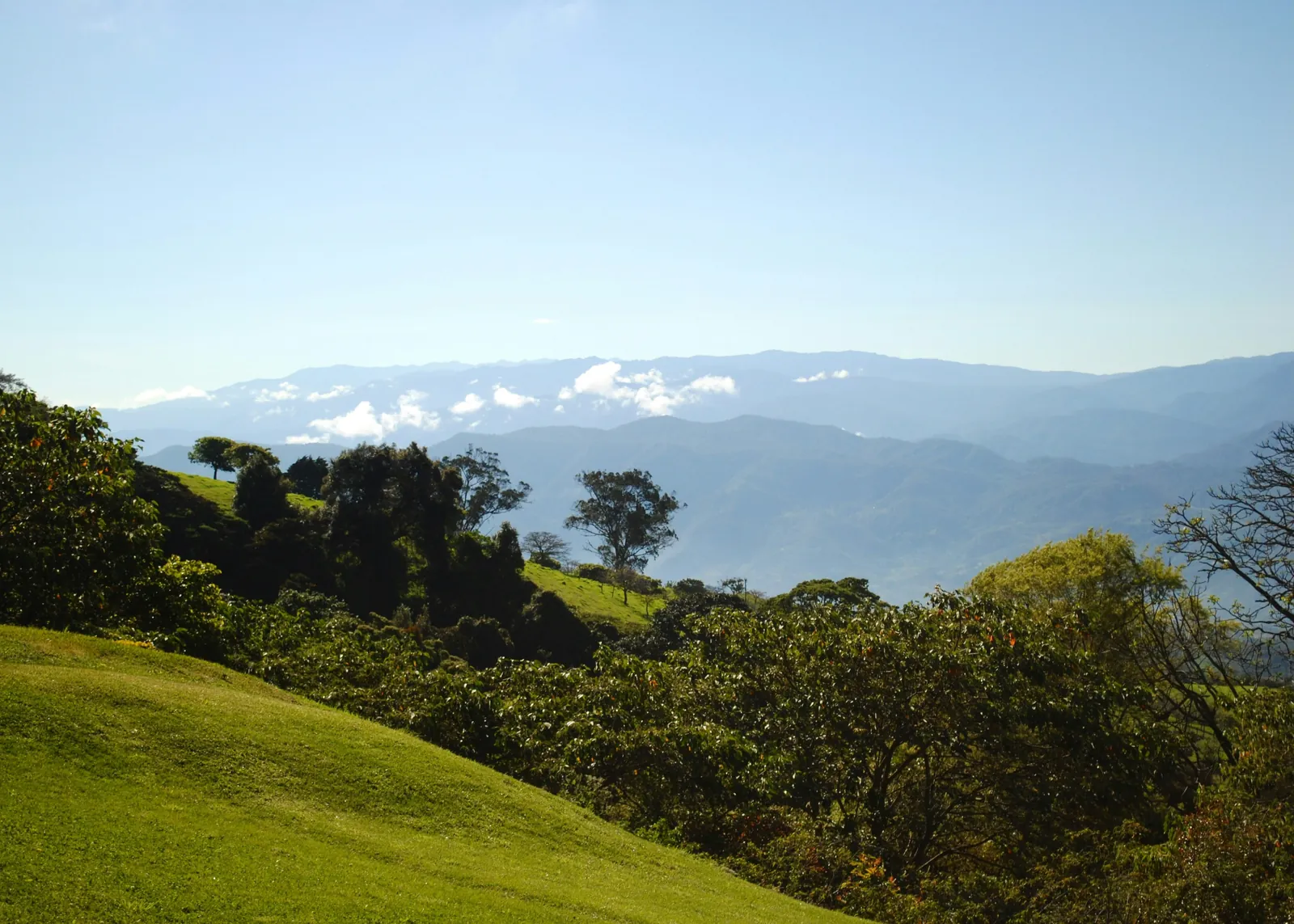
Costa Rica suits you if you have a pension it accepts as paid for life (unconfirmed for the Age Pension), want somewhere mild for a long stay, and don’t mind being far from family. San José and the towns around it sit in the Central Valley, at about 700 to 1,030 metres. San José’s average highs stay between 23 and 26°C all year, and the nights drop to about 15 to 17°C.

The pensionado residence permit asks for a lifetime pension of at least US$1,000 a month (about A$1,450). That word “lifetime” is the big unknown for Australians. We couldn’t find anything official on whether an Age Pension or an account-based super pension counts, so it stays a question for Costa Rica’s embassy or immigration office.
Money is the other thing to weigh up. Our San José estimate for a couple is above the Age Pension base rate, and well above our Mexico and Thailand figures. Smartraveller advises a high degree of caution because of violent crime (more under day to day, below). Residents join the Caja, Costa Rica’s public health system, and pay into it every month.
What a month costs
Our estimate for a month in San José is about A$5,170 for a couple and A$3,660 for one person, rent included.
| A month in San José | Couple | One person |
|---|---|---|
| Rent, one-bedroom flat in the centre | A$1,360 | A$1,360 |
| Living costs (food, transport, bills) | A$2,610 | A$1,450 |
| Eating out, local trips and extras (30%) | A$1,200 | A$850 |
| Total | A$5,170 | A$3,660 |
How a month in Costa Rica compares
For a couple
- Costa Rica, our estimate
- A$5,170
- Comfortable in Australia
- A$6,580
- Age Pension, the most paid in Australia
- A$4,040
About A$1,410 a month less than a comfortable month in Australia.
For one person
- Costa Rica, our estimate
- A$3,660
- Comfortable in Australia
- A$4,680
- Age Pension, the most paid in Australia
- A$2,680
About A$1,020 a month less than a comfortable month in Australia.
Not built the same way: Australia's figure (ASFA Retirement Standard, comfortable, June quarter 2026) assumes you own your home and includes health insurance; our estimate for Costa Rica includes rent and leaves health insurance out. Age Pension: the most paid in Australia from 20 September 2026; living overseas for good, the base rate is about A$3,710 a month for a couple and A$2,460 for one person.

Our estimate: Numbeo’s living costs for one person (without rent) plus a one-bedroom city-centre rent, plus 30% for eating out, local trips and extras. For a couple, living costs times 1.8. Converted at the Reserve Bank of Australia’s average exchange rate for the 12 months to September 2026 (A$1 = US$0.6919). The RBA doesn’t publish a colón rate, so we used Numbeo’s US dollar figures, converted at the RBA’s average US dollar rate. Health insurance is not included. Numbeo’s San José page was last updated on 20 October 2026: US$1,005 a month in living costs for one person (about A$1,450) and US$943 for the flat (about A$1,360).
Numbeo puts Melbourne’s living costs, before rent, about 31% above San José’s (20 October 2026). Rent is what lifts the total. Numbeo has too few entries to give a full estimate for Escazú or Atenas, so we haven’t worked them out.
Against the Age Pension. After 12 weeks away, the most the pension pays is the base rate. That is about A$2,460 a month for one person and A$3,710 for a couple, before tax (rates from 20 September 2026). That leaves a couple about A$1,460 a month short of our San José estimate. One person is about A$1,200 short.
What costs more than you’d expect. Health cover is the big one, and our estimate leaves it out. Residents pay a monthly premium to the Caja, and GOV.UK says the amount is based on your income. Smartraveller says private care is expensive and usually paid up front. Then there are the costs of getting residence at all: application and renewal fees, police checks, apostilles and Spanish translations (see the visa section). Flights home always mean at least one stop.
Renting long term. Costa Rica’s rental law, Law 7527, sets a minimum lease of three years, El Financiero, a Costa Rican business paper, reported in March 2024. It also reported that a rent agreed in US dollars stays fixed for the lease, and that the tenant can pay it in colones at the Central Bank’s reference rate on the day. Rents agreed in colones can rise each year, by up to the rate of inflation when inflation is 10% or less. Before signing, the rent, what it covers, the deposit terms and who pays for repairs are worth having in writing. A lawyer in Costa Rica can read the lease with you. A furnished short let for the first month or two lets you see the street in the wet season before you commit.
Visas for Australians

Australians can visit without a visa. Smartraveller gives the limit as under 90 days, while Costa Rica’s November 2025 visa guidelines allow up to 180 days, with the border officer deciding. Living there means temporary residence, and the pensionado and rentista routes are the ones that suit retirees.
Visiting. Smartraveller says you don’t need a visa for a tourist visit of less than 90 days on an Australian passport (advice updated 12 March 2026, still current at 21 October 2026). Costa Rica’s immigration office (the DGME) put Australia in its first visa group in guidelines published on 17 November 2025. For that group, the officer at the border sets the stay, up to 180 days, and it can’t be extended unless you were given less than 90. So you may be given less than 180, and possibly less than 90. Costa Rica’s embassy can confirm the current limit before you book a long winter.
The same guidelines ask visitors to show at least US$100 (about A$140) for each month of their stay, and a ticket home or onward. Smartraveller says you might be refused entry if you can’t show you’ll go home or travel on. There’s a departure tax, which may be in your airline ticket.
Staying longer. Costa Rica’s immigration regulations have two routes that suit retirees. Both give temporary residence, renewed every 2 years.
| Route | The money test (regulations, Decree 37112) | In A$ at the RBA’s 12-month average rate |
|---|---|---|
| Pensionado (pensioner) | A lifetime pension of at least US$1,000 a month, shown by a document from a competent authority | About A$1,450 a month |
| Rentista (income) | A stable, permanent income of at least US$2,500 a month for at least 2 years | About A$3,610 a month |
What the application asks for. Article 100 of the regulations lists the pensionado papers. There’s a signed form and application, a US$50 fee (about A$72) and a stamp duty paid in colones. You also need two passport photos and a fingerprint record from Costa Rica’s Ministry of Public Security. On top of that come proof of registration with your country’s consulate (the consulate sets what that needs), a certified copy of every page of your passport, and the pension document. Two papers come from home: a birth certificate, and a police certificate from your own country or wherever you lived legally for the past three years. Both must be apostilled or legalised.
The regulations add three rules for papers from overseas. They must be apostilled or legalised (article 8). Unless they show their own expiry date, they must be no more than six months old when you hand them in (article 10). Anything not in Spanish needs an official translation (article 11). If you apply from inside Costa Rica as a visitor, article 40 adds US$200 (about A$290) for changing your status, apart from exceptions in the law.
Joining the CCSS. Once residence is approved, the regulations require you to join the Caja Costarricense de Seguro Social (CCSS), the public health fund. Pensionados show a card as insured pensioners. GOV.UK adds that you must collect your residence card, the DIMEX, within 90 days of approval.
Renewing, and what comes after. Every 2 years a pensionado renews and pays two fees of US$30 (about A$43 each) and a further fee set in the migration law. There’s also US$25 a year (about A$36) for the immigration social fund. The renewal needs unbroken CCSS membership since approval, proof the pension is still being paid, and a valid passport. Miss the renewal by more than three months and the residence can be cancelled. A temporary resident who is away for more than two years in a row can also lose it. After three years in a row of temporary residence, you can apply for permanent residence.
Working. The pensionado article sets the money test and the papers, and says nothing about working. The immigration office can say whether a pensionado may earn money in Costa Rica.
The “lifetime” question. The hard part for Australians is the word “lifetime” (“vitalicia” in the Spanish). The Age Pension is means-tested and its rules can change. An account-based super pension pays until the money runs out. We haven’t found anything official that says whether either counts. It’s unconfirmed, and it’s for Costa Rica’s immigration office or embassy to decide, ideally before you spend money on documents. Our guide to retirement visas by age compares the tests in other countries.
A partner, and the age question. The pensionado article sets no minimum age, only the pension. A spouse and children under 25 can be included as dependants, and the spouse shows an apostilled or legalised marriage certificate. The article says “spouse” and doesn’t mention de facto partners, so a de facto couple can ask the immigration office how they would apply.
Documents to get in Australia before you go. The birth certificate, police certificate, marriage certificate and pension letter all need an apostille, and the six-month rule means timing matters. An Australian Federal Police national police check costs A$57, and the AFP says most online checks arrive within a few days. One with fingerprints costs A$114 and takes 15 to 30 business days. DFAT issues apostilles for Australian public documents, and Smartraveller says processing times vary. Article 11 then asks for official Spanish translations.
We read the regulations as published by Costa Rica’s electoral tribunal; the immigration office’s own website was behind a bot check. Rules and fees change. Costa Rica’s embassy or its immigration office (the DGME), or a licensed visa agent in Costa Rica, can confirm the current amounts. Questions worth asking: whether an Age Pension letter from Services Australia is accepted as proof of a lifetime pension, how a super income stream is treated, and how much the CCSS charges a pensionado.
Your Age Pension and Medicare in Costa Rica
Services Australia says your Age Pension can keep paying while you’re overseas, and with no time limit. After 6 weeks away the Energy Supplement stops and your Pensioner Concession Card is cancelled. The Pension Supplement stops completely at 12 weeks (since 20 September 2026). From 26 weeks, if you lived in Australia less than 35 years between age 16 and pension age, you’re paid a proportional rate. For example, 10 years of residence gets you 10/35ths. Our guide to the 6, 12 and 26-week rules explains each step.
Costa Rica has no social security agreement with Australia, so you need to claim the Age Pension before you leave, while you’re living in Australia. If you move for good, you get the base rate only from the day you leave: A$29,520.40 a year single, A$44,506.80 for a couple.
Department of Social Services figures released under freedom of information show 6 people getting the Age Pension in Costa Rica at the end of 2025. They were paid an average of about A$927 a fortnight each.
Medicare never pays for treatment overseas, and Australia has no reciprocal health care agreement with Costa Rica. If you’re an Australian citizen and move overseas, you can still use Medicare for treatment in Australia, on visits home, for up to 5 years after you leave. Visits home don’t restart that clock. After that, you re-enrol when you move back. Permanent residents are different: their enrolment ends 12 months after they leave. Our guide to Medicare overseas has the detail.
Health care and insurance

Smartraveller’s summary says medical facilities are basic, and if you’re seriously ill or injured you’ll need evacuation to the United States. Its fuller advice says public facilities are reasonable in San José but limited in smaller towns and rural areas. Private facilities are well equipped but expensive, and you’ll likely pay up front and claim from your insurer. Doctors may only speak Spanish. GOV.UK calls medical care generally of a high standard, but says ambulances can be patchy in remote areas. For an ambulance, call 911.
The Caja. Residents join the CCSS as part of their residence, and keep paying to renew it. GOV.UK says temporary and permanent residents must enrol, with a monthly premium based on income. We couldn’t reach the CCSS website to confirm what it charges a pensionado; the CCSS or the immigration office can give the current figure.
What is where. San José has public and private hospitals, and Smartraveller rates its public facilities as reasonable. In smaller towns and rural areas it says public care is limited, so from Guanacaste or a small town, anything serious usually means the road to San José. Beyond what a Costa Rican hospital can handle, Smartraveller says evacuation is to the United States.
Medicines. GOV.UK tells British visitors that their prescriptions aren’t valid in Costa Rica. Costa Rica’s embassy can tell you whether a medicine you take daily is sold or allowed there. Our guide to taking medicines overseas has the Australian side.
Illness to know about. Smartraveller says mosquito-borne illnesses are more common in the wet season, which it dates from April to November (the weather service’s figures below put San José’s rains from May). It calls malaria a serious risk in Limón and Puntarenas provinces, including near the Panama border. GOV.UK lists dengue and Zika as well.
Insurance. For a winter away, the usual type of cover is travel insurance for a single long trip, and Smartraveller says it should include medical evacuation. If you live there, the private option alongside the CCSS is international health insurance. Age limits matter, and our guide to international health insurance by age explains them. If you’d like help working out where to start, book a free planning session on Zoom.
Where Australians live
There’s no official count of where Australians settle in Costa Rica, and the numbers are small. Here are four areas to compare, with rough driving times from San José.
| Area | What it’s like | Getting around | Hospital | Airport |
|---|---|---|---|---|
| San José | The capital, at about 1,030 metres; our cost base | City traffic; buses and taxis | Public and private hospitals; Smartraveller rates public care reasonable | Juan Santamaría, in Alajuela, 23 km from the centre |
| Escazú | Suburb on the hills west of the capital, at about 1,130 metres | Hilly; about 8 km from the centre | San José’s, a short drive away | Juan Santamaría |
| Atenas | Small town in Alajuela province, at about 700 metres | Hilly; a car helps; about 1 hour by road | Limited locally; San José’s by road | Juan Santamaría, the nearest |
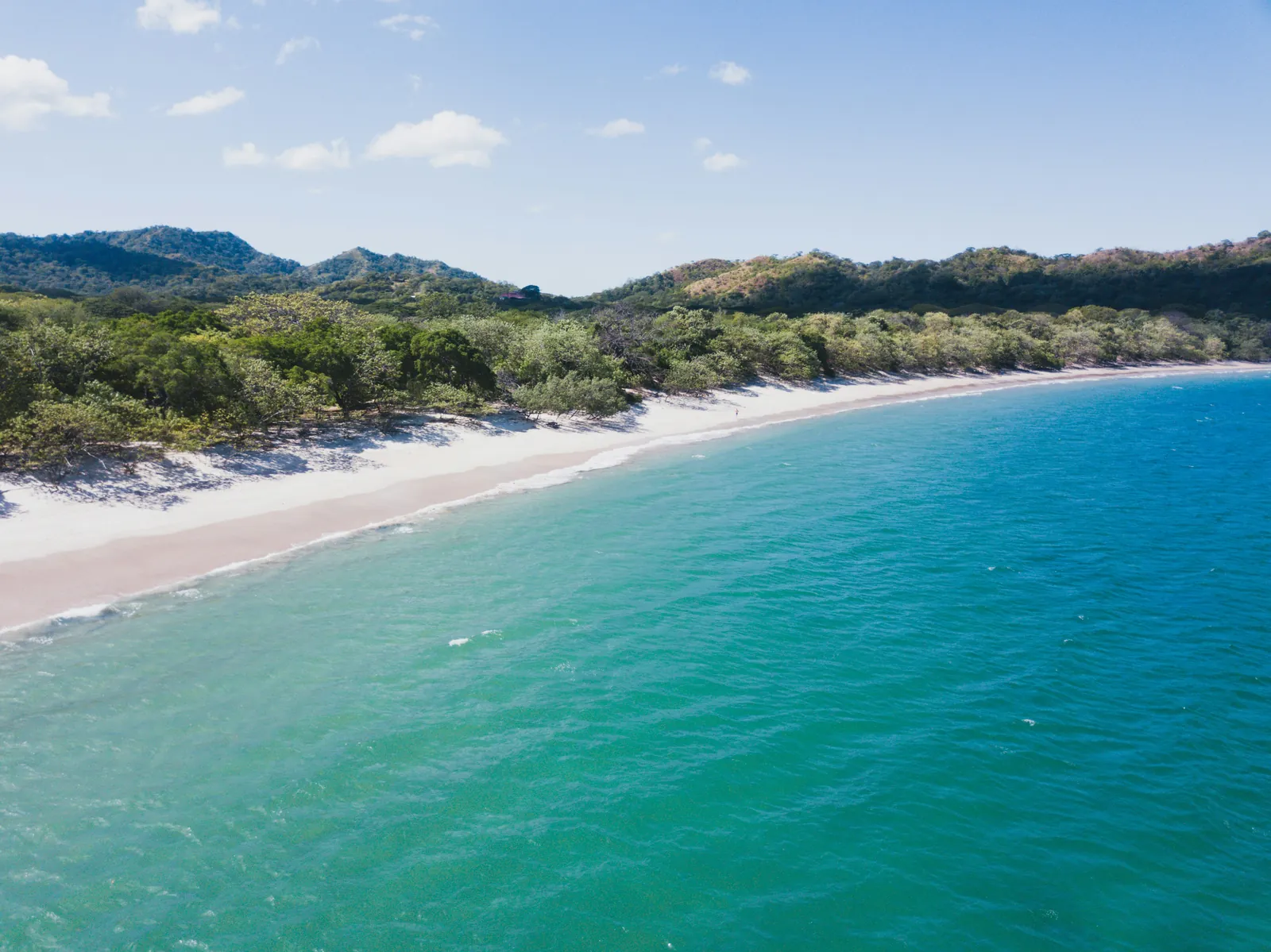
| Guanacaste coast | Pacific beach towns such as Tamarindo and Playas del Coco | Spread out; a car helps; about 4 to 5 hours by road | Limited in small towns; serious cases go to San José | Daniel Oduber Quirós, 13 km west of Liberia |
San José is the base for our costs, and Smartraveller rates its public medical facilities as reasonable. The international airport is in nearby Alajuela.
Escazú is a canton of San José province, west of the city, running up to the Escazú hills. It is about 8 kilometres from the centre and part of the capital’s metropolitan area, with about 71,500 residents in 2022, Wikipedia reports. A large shopping mall and several embassies’ buildings are there. Numbeo has too little data to cost it separately.
Atenas is a smaller town in Alajuela province, lower than the capital at about 700 metres. Wikipedia describes the canton as mostly mountainous, with river canyons along its borders, and counted about 25,500 people at the 2011 census. Hospital care means the road to San José.
Guanacaste is the north-west Pacific coast. Its largest city, Liberia, is about 215 kilometres from San José and has its own international airport, close to beaches such as Tamarindo and Playas del Coco. It is drier than the Central Valley, with almost no rain from December to March.
Smartraveller suggests arriving at and leaving the airport in daylight. If you’re weighing Costa Rica against Mexico, our Mexico page works the same numbers for Lake Chapala, where foreign retirees have settled since the 1950s.
Renting or buying a home
Foreigners can rent, and GOV.UK says foreigners face restrictions on buying property near the coast. Those restrictions come from the Maritime Zone Law, Law 6043 of 1977.
The law covers a strip 200 metres wide along both coasts, measured from the ordinary high tide line, plus the islands. The first 50 metres is the public zone. The next 150 metres is the restricted zone, which is held under a concession, not owned. Article 47 bars concessions to foreigners who haven’t lived in Costa Rica for at least five years. It also bars companies set up by foreigners, companies domiciled abroad, and companies more than half owned by foreigners. In a 2024 legal opinion, Costa Rica’s tourism institute said these bans must be applied strictly and literally. A transfer that breaks these rules has no legal effect.
Property fraud is the other risk named. InSight Crime, a research publisher on organised crime, reported in 2021 that criminal networks used corrupt notaries to transfer land away from absent owners. It said absent owners, foreigners among them, were targets, and that the hot spots were the high-value Pacific coast in Guanacaste and Puntarenas. Costa Rica’s judicial police had linked at least 50 notaries to these networks, it reported. Smartraveller’s retirement advice warns that you may not have the same property rights overseas as a local, and suggests independent local advice before any big financial commitment.
The person to ask is a property lawyer in Costa Rica, who can check the title, any concession and the company behind a sale. GOV.UK points to the British embassy’s list of English-speaking lawyers; the Australian embassy that covers Costa Rica can tell you whether it keeps one too. Our guide to overseas property and visa scams covers the warning signs. For the Australian side, see whether to keep, rent or sell the family home.
Tax: there and at home
Article 1 of Costa Rica’s income tax law, Law 7092, taxes income from Costa Rican sources: income generated in Costa Rica’s territory, whatever the nationality, domicile or residence of the people involved. The residency test isn’t in that law’s text. La República, a Costa Rican business paper, reported the test in a June 2026 column: more than 183 days there in the tax year, with taxable income from Costa Rican sources, makes you tax domiciled. The column added that trips away of up to 30 days in a row still count as days in Costa Rica. We couldn’t read the Ministry of Finance (Hacienda) site, so we can’t say how Costa Rica treats an Australian pension. GOV.UK sends tax questions to the Ministry of Finance.
Australia has no tax treaty with Costa Rica: it isn’t on Treasury’s list of income tax treaties, updated 24 March 2026. A treaty normally settles which country taxes which income, so there are no treaty rules to fall back on.
At home, the ATO’s residency tests decide whether you are still an Australian resident for tax; our guide to tax residency when you retire overseas walks through them. If you become a foreign resident, you lose the tax-free threshold, so Australian income such as rent is taxed at 30% from the first dollar (2025-26), as the foreign resident tax rates show. Sell your Australian home while you are a foreign resident and, for sales after 30 June 2020, you generally lose the main residence exemption from capital gains tax, apart from narrow life events.
Talk to a registered tax agent in Australia, and to a tax adviser in Costa Rica about how it treats your pension and super, before you go.
Money and banking
Costa Rica’s currency is the colón. The immigration regulations set their fees in US dollars, payable in colones at the Central Bank of Costa Rica’s rate. A rent agreed in US dollars can be paid in colones at the Central Bank’s reference rate, El Financiero reported. The Reserve Bank of Australia doesn’t publish a colón rate, so on this page we convert US dollars only.
Your pension. Services Australia pays every 2 weeks into your Australian account if you’ll be away less than 12 months. Away longer, it pays every 4 weeks into an Australian or overseas account. Bank fees are yours. Our guide to living overseas on the Age Pension has the numbers.
The pension and the visa. The pensionado renewal asks for proof that the pension used for the visa is still being paid. Whether an Australian pension can be that pension is unconfirmed, and only the immigration office can say which document it accepts.
A local account. Costa Rican banks set their own rules for foreigners, so the bank itself can tell you what it needs.
Moving money. The main options are a transfer from your Australian bank, a currency transfer service, or cash from an ATM on an Australian card. Each charges a fee and builds a margin into its exchange rate; ask for both. GOV.UK says thieves target people using ATMs.
Currency swings. Your pension is in Australian dollars, and the visa test, dollar rents and our costs are in US dollars. At the RBA’s 12-month average rate (A$1 = US$0.6919), US$1,000 is about A$1,450. If an Australian dollar pension were accepted for the pensionado, a 10% fall in the Australian dollar would mean about A$1,610 a month to reach US$1,000.
Day to day
Language. Spanish is the language of daily life and of the paperwork: the immigration office wants official Spanish translations of anything in English. Smartraveller says doctors may only speak Spanish.

Getting around without driving. San José has buses and taxis. GOV.UK warns that thieves target bus passengers and people at ATMs and beaches.
Driving. Smartraveller says you can drive for up to 3 months on your Australian licence, and doesn’t mention an International Driving Permit. Delfino.cr, a Costa Rican news site, reported in August 2024 that a change lets tourists drive on a valid foreign licence for their whole authorised stay. It reported that the same change ended the wait before a new resident with a DIMEX can swap a foreign licence for a Costa Rican one. Costa Rica’s embassy can say which limit applies to you. GOV.UK says residents need a Costa Rican licence. It also says the standard of driving is lower than in the UK, and that the wet season brings potholes and landslides.
Safety. Smartraveller says violent crime, including carjackings and “express kidnappings”, is increasingly common. GOV.UK says muggings and theft are significant problems, particularly on the Caribbean coast, and that gang shootings happen in cities and tourist areas. It describes a tyre scam: someone punctures your tyre, then robs the car while “helping”. It also reports deaths from methanol in cheap local spirits. At the beach, GOV.UK says rip currents are common and lifeguards few, with 50 to 60 drownings a year. Crocodiles have attacked people on Pacific beaches.
Earthquakes and volcanoes. Smartraveller notes earthquakes, tsunamis, active volcanoes and a hurricane and rainy season from June to November, when landslides and flooding can happen. Volcanic ash can close airports. GOV.UK reports recent eruptions at Poás.
Weather. San José’s wet season runs from May to November, with the heaviest rain in September and October. The dry months are December to April:
| Month in San José | Average high | Average low | Rain |
|---|---|---|---|
| January | 23°C | 15°C | 9 mm |
| February | 24°C | 15°C | 5 mm |
| March | 25°C | 16°C | 12 mm |
| April | 26°C | 16°C | 44 mm |
| May | 26°C | 17°C | 222 mm |
| June | 26°C | 17°C | 283 mm |
| July | 25°C | 16°C | 208 mm |
| August | 25°C | 17°C | 252 mm |
| September | 26°C | 17°C | 325 mm |
| October | 25°C | 16°C | 326 mm |
| November | 24°C | 16°C | 139 mm |
| December | 23°C | 16°C | 40 mm |
Figures: Costa Rica’s Instituto Meteorológico Nacional, published by the World Meteorological Organization (temperatures 1961 to 1982, rainfall 1888 to 1997). Liberia, in Guanacaste, is hotter, with average highs of 31 to 36°C, and almost dry from December to March.
Public holidays. Article 148 of Costa Rica’s Labour Code sets the paid public holidays: 1 January, 11 April, Holy Thursday and Good Friday, 1 May, 25 July, 15 August, 15 September and 25 December. It adds 2 August, 31 August and 1 December as holidays where pay isn’t obligatory. In 2026 Holy Thursday and Good Friday fell on 2 and 3 April, the Ministry of Labour said.
Getting there and coming home

There’s no non-stop flight between Australia and Costa Rica (BITRE, June 2026). Expect at least one stop, usually in the United States, and a full day of travel or more. Smartraveller says you must meet US entry or transit rules even if you’re only changing planes, and a stop in Canada needs an eTA.
Costa Rica is 16 hours behind Sydney in our winter and 17 hours behind in daylight saving. It has no daylight saving of its own. A call at 6pm in San José reaches Sydney at 10am the next day in our winter.
Your first steps
One order that works, from a first visit to living there. The lifetime pension question sits near the top because the answer shapes everything after it.
- Ask for help first. Book a free planning session on Zoom, or contact our team. Once we understand your situation, we can point you in the right direction.
- Visit in the wet season and the dry, on a visitor stay (under 90 days on Smartraveller’s advice; the officer can give up to 180). Smartraveller suggests a temporary move first; see trying before you move.
- Talk it over with your partner and family early. Our guide to talking to your family has ways to start.
- Ask Costa Rica’s embassy or immigration office whether your Age Pension or super pension counts as a lifetime pension, before you spend money on documents. It’s unconfirmed, and it’s their decision.
- Check what happens to your pension at 6, 12 and 26 weeks. If you haven’t claimed it yet, the claim has to be made while you live in Australia; see claim before you leave.
- Find out what health cover you can get at your age, alongside the CCSS. Start with international health insurance by age.
- Work out what happens to the house, and whether it counts for the pension while you are away.
- Order the police check, birth and marriage certificates and pension letter in Australia, and have them apostilled within the six-month window.
- Have the documents translated into Spanish, and apply for pensionado residence through the immigration office or a licensed visa agent in Costa Rica.
- Some people rent short before signing a three-year lease. A lawyer in Costa Rica can read the lease first.
- Once approved, join the CCSS and collect your DIMEX card within 90 days.
- Tell Services Australia you are leaving, and set up how your pension will be paid.
- Know your way back: coming home covers your pension and Medicare.
Questions people ask
Can Australians retire in Costa Rica?
Yes, if you qualify for temporary residence, for example as a pensionado with a lifetime pension of at least US$1,000 a month (about A$1,450). Whether the Age Pension or a super pension counts as “lifetime” is unconfirmed, and it’s for Costa Rica’s immigration office or embassy to decide. The rentista route asks for US$2,500 a month (about A$3,610) for two years.
Is it expensive to retire in Costa Rica?
Our estimate for a month in San José is about A$5,170 for a couple and A$3,660 for one person, rent included, before health insurance. That’s more than the Age Pension base rate for both. Living costs before rent are below Melbourne’s, but rent lifts the total.
What are the Costa Rica retirement visa requirements?
For the pensionado: a lifetime pension of at least US$1,000 a month (about A$1,450), though whether the Age Pension counts is unconfirmed. You also need an apostilled birth certificate and police certificate, fingerprints, photos and a US$50 fee (about A$72). Papers must be under six months old and translated into Spanish. Once approved, you join the CCSS and renew every two years.
Is there an age requirement for Costa Rica’s retirement visa?
The regulations set no minimum age for the pensionado, only the lifetime pension. A spouse and children under 25 can be added as dependants. De facto partners aren’t mentioned, so ask the immigration office how they apply.
Does the Age Pension count for Costa Rica’s pensionado visa?
We couldn’t find an official answer. The test asks for a pension paid for life, proven by a document from a competent authority. Only Costa Rica’s embassy or immigration office can say whether an Age Pension or super pension meets it.
Is it safe to retire in Costa Rica?
Smartraveller advises a high degree of caution in Costa Rica because of violent crime. GOV.UK reports muggings and theft, especially on the Caribbean coast, and dangerous rip currents. Read the current advice before you go, and again before you sign a lease.
Is it better to retire in Costa Rica or Panama?
Both have a pensionado route that asks for a lifetime pension of US$1,000 a month (about A$1,450), and whether the Age Pension counts is unconfirmed for both. Neither has a Medicare or social security agreement with Australia. Our estimate for a couple is about A$5,170 a month in San José and A$5,350 in Panama City. See our Panama page to compare.
Does Medicare cover me in Costa Rica?
No. Costa Rica has no reciprocal health care agreement with Australia. Smartraveller says you need travel insurance for a visit, including medical evacuation, and residents join the CCSS. Medicare still covers citizens back in Australia for up to 5 years after they move.
Is Costa Rica a good fit?
Good for
- Mild weather at altitude in the Central Valley
- Residents join Costa Rica's public health system, the Caja
- Pacific beaches in Guanacaste with their own international airport
Think about
- Whether your Age Pension or super pension counts as a lifetime pension is a question for the embassy
- Costs above the Age Pension base rate on our estimate
- Smartraveller advises a high degree of caution because of violent crime
- No Medicare, social security or tax agreement with Australia
- Land within 200 metres of the high tide line can't be owned, only held by concession
- A long trip home with at least one stop
Places to compare
- MexicoVisitors can be given up to 180 days, and day-to-day costs are lower than at home. Lake Chapala, near Guadalajara, has an established foreign retiree community.
- PanamaA residence permit for people on a lifetime pension, US dollar notes, and private hospitals in Panama City. It is a long way from Australia.


Guides for this place
- The 6, 12 and 26-week rulesWhat happens to your Age Pension at 6, 12 and 26 weeks overseas, updated for the Pension Supplement change of 20 September 2026. Checked October 2026.
- Claim before you leaveCan you claim the Age Pension while overseas? You must be living in and physically in Australia on the day you claim. The agreement countries, checked 2026.
- Medicare overseasDoes Medicare cover me overseas? No. The 11 reciprocal agreement countries, none in Asia, and the 5-year rule for Medicare on visits home. Checked 2026.
- Health insurance by ageInternational health insurance for over 70s living overseas: why age matters, the types of cover, and the questions to ask a broker. Checked October 2026.
- Retirement visas by ageRetirement visa age requirements by country for Australians: the youngest age and the money rules in Thailand, Malaysia, the Philippines, Portugal and Spain.
- Tax residencyIf you retire overseas, do you still pay tax in Australia? The ATO's four tax residency tests, what it weighs, and what changes for a foreign resident.






Sources
- Smartraveller: Costa Rica, checked 21 October 2026 (page updated 12 March 2026, still current at 21 October 2026; read in full for the review fixes)
- Costa Rica Reglamento de Extranjería, Decree 37112-GOB (articles 8, 10, 11, 32, 34, 40, 99, 100, 207, 208, 213, 214 and 228), as published by Costa Rica's Supreme Electoral Tribunal, checked 21 October 2026 (the immigration office's own site, migracion.go.cr, was behind a bot check and could not be read)
- DGME (Costa Rica): Directrices Generales de Visas de Ingreso y Permanencia para No Residentes, AJ-484-11-2025 (first group, including Australia: up to 180 days, set by the officer; entry requirements), checked 21 October 2026 (read in La Gaceta, Alcance 148 to Gaceta 216, 17 November 2025; the DGME's own copy is behind a bot check)
- Costa Rica Código de Trabajo, article 148 (public holidays), SINALEVI, Procuraduría General de la República, checked 21 October 2026 (version 64 of 64)
- Costa Rica Ley del Impuesto sobre la Renta, Ley 7092 (article 1, Costa Rican-source income), SINALEVI, Procuraduría General de la República, checked 21 October 2026 (version 83 of 83)
- Ministerio de Trabajo y Seguridad Social (Costa Rica): CP-061-2024, 25 December and 1 January holidays, checked 21 October 2026 (release dated 23 December 2024)
- GOV.UK: Living in Costa Rica, checked 21 October 2026 (page updated 27 February 2026)
- GOV.UK: Costa Rica travel advice, Safety and security, checked 21 October 2026 (advice updated 19 May 2026, still current)
- GOV.UK: Costa Rica travel advice, Health, checked 21 October 2026 (advice updated 19 May 2026, still current)
- Ley sobre la Zona Marítimo Terrestre, Ley 6043 of 2 March 1977 (articles 9, 10 and 47), published by Costa Rica's National Territorial Information System (SNIT), checked 21 October 2026
- Instituto Costarricense de Turismo, Asesoría Legal: AL-A-1117-2024 (article 47 of Ley 6043, concessions and foreigners), 30 August 2024, checked 21 October 2026
- InSight Crime: Redes de fraude inmobiliario amenazan a propietarios en Costa Rica, checked 21 October 2026 (article dated 6 April 2021)
- El Financiero: Estas son las reglas del juego en los alquileres (Ley 7527, articles 67 and 70), checked 21 October 2026 (article dated 11 March 2024; used as reported because Law 7527's official text on SINALEVI could not be found or loaded)
- La República: Costa Rica y la residencia fiscal, checked 21 October 2026 (column dated 11 June 2026; used as reported for the 183-day test, which is not in Law 7092's text)
- Delfino.cr: Extranjeros no tendrán que esperar 91 días para homologar su licencia de conducir, checked 21 October 2026 (article dated 27 August 2024; used as reported because no MOPT or COSEVI page on it could be found)
- Ministerio de Trabajo y Seguridad Social (Costa Rica): CP-005-2026, Semana Santa holidays, checked 21 October 2026 (release dated 26 March 2026)
- Ministerio de Trabajo y Seguridad Social (Costa Rica): CP-017-2026, 31 August holiday (pay not obligatory), checked 21 October 2026 (release dated 25 August 2026)
- World Meteorological Organization, World Weather Information Service: San José climate (data from Costa Rica's Instituto Meteorológico Nacional; temperatures 1961 to 1982, rainfall 1888 to 1997), checked 21 October 2026
- World Meteorological Organization, World Weather Information Service: Liberia climate (data from Costa Rica's Instituto Meteorológico Nacional, 1971 to 2003), checked 21 October 2026
- Australian Federal Police: Apply for a National Police Certificate (fees and processing times), checked 21 October 2026
- Smartraveller: How to get your documents legalised, checked 21 October 2026 (page updated 30 September 2026, as checked for our Cambodia page; it timed out when re-checked for this page)
- Smartraveller: Going overseas to retire, checked 21 October 2026 (page updated 18 August 2026, as checked for our Cambodia page; it timed out when re-checked for this page)
- Treasury: Income tax treaties (no treaty with Costa Rica), checked 21 October 2026 (page updated 24 March 2026)
- ATO: Your tax residency, checked 21 October 2026 (page updated 3 June 2026)
- ATO: Tax rates, foreign residents (2025-26), checked 21 October 2026 (page updated 1 June 2026)
- Services Australia: Travel outside Australia rules for Age Pension, checked 21 October 2026 (page updated 4 December 2025)
- Services Australia: When you leave Australia if you get Age Pension, checked 19 October 2026 (page dated 20 September 2026)
- Services Australia: Payments while outside Australia (overseas bank accounts), checked 21 October 2026 (page updated 5 March 2026, as checked for our Cambodia page; it timed out when re-checked for this page)
- Services Australia: Payment schedule and rates for people outside Australia, checked 21 October 2026 (page updated 24 September 2026)
- Services Australia: International social security agreements, the Americas, checked 21 October 2026 (page updated 25 August 2025)
- Services Australia: About reciprocal health care agreements, checked 21 October 2026 (page updated 15 September 2026)
- Services Australia: Enrolling in Medicare if you're an Australian citizen, checked 21 October 2026 (page updated 30 June 2025)
- Services Australia: Enrolling in Medicare if you're an Australian permanent resident, checked 20 October 2026 (page dated 11 July 2025)
- Department of Social Services: Age Pension recipients by country, December 2020 to December 2025 (FOI LEX 56898), checked 21 October 2026 (figures as recorded in our 20 October 2026 destinations research)
- Numbeo: cost of living in San José, Costa Rica (US dollars), checked 21 October 2026 (last updated 20 October 2026)
- Numbeo: cost of living comparison, San José and Melbourne, checked 21 October 2026 (last updated 20 October 2026)
- Numbeo: cost of living in Escazú (limited data), checked 21 October 2026 (last updated 2 October 2026)
- Reserve Bank of Australia: Historical exchange rates, F11.1; 12-month average US dollar rate, 1 October 2025 to 30 September 2026, checked 20 October 2026
- BITRE: International Airline Activity, June 2026 (no non-stop flights to Costa Rica), checked 21 October 2026
- Wikipedia: San José, Costa Rica (altitude and airport), checked 21 October 2026
- Wikipedia: Liberia, Costa Rica (distance from San José and airport), checked 21 October 2026
- Wikipedia: Escazú (canton), checked 21 October 2026
- Wikipedia: Atenas (canton), checked 21 October 2026
- Wikipedia: Guanacaste Province, checked 21 October 2026
General information only, not financial, tax, legal, migration or insurance advice. Rules change: check the official source before you act, and talk to a licensed professional about your own situation.
Thinking about Costa Rica?
Tell us what you have in mind, and we will help you plan it on a free Zoom call: when to go, how long for, and who with.
No pressure and no card details. You decide what comes next.