
Retiring in Croatia from Australia: costs, visas, pension and health cover (2026)
Croatia has a social security agreement with Australia, and a Croatian passport takes the visa problem away.
Checked 21 October 2026, re-checked monthlyBy the Retirees Abroad teamGeneral information only, how we check
The short answer
Our estimate for a month in Split is about A$5,180 for a couple or A$3,750 for one person, rent included (October 2026). A Croatian or other EU passport lets you live there. On an Australian passport alone there is no retirement visa: a stay lasts a year at most, then a 6-month gap. Medicare pays nothing there.
Croatia at a glance
- A comfortable month, couple
- About A$5,180
- A comfortable month, one person
- About A$3,750
- Visa for a visit
- 90 days in any 180; no retirement visa
- Weather
- Mild coastal winters; hot, dry summers
- Costs based on
- Split
- Medicare agreement
- No
- Social security agreement
- Yes
- Tax treaty with Australia
- Signed November 2025; not yet on Treasury's list of treaties in force
- Long-stay visa
- No retirement visa; temporary stay for other purposes, up to 1 year, then a 6-month gap
- Flight from Sydney
- No non-stop flight; one stop at least
- Time difference
- 10 hours behind Sydney in our summer, 8 in our winter
Costs are mid-range estimates in Australian dollars, rent included, for a comfortable month. For comparison, a comfortable month in Australia is about A$6,580 for a couple who own their home (ASFA, June quarter 2026).
Who Croatia suits, and what to weigh up
Croatia suits you if you hold a Croatian passport, or can claim one through a parent or grandparent who left. Then the visa question goes away, and the social security agreement lets you claim your Age Pension from there. Department of Social Services figures show 1,603 people were paid the Age Pension in Croatia in December 2025, down from 2,047 five years earlier.
For an Australian without an EU passport, Croatia works better as a long stay than a move. There is no retirement visa. The closest thing is a temporary stay “for other purposes”, which lasts a year at most. Then you wait 6 months before you can apply again, and those years never add up to long-term residence.
There is no Medicare agreement, so you pay for all care, and Smartraveller says services on the islands are limited. Buying is harder too: under Croatia’s reciprocity rules, an Australian can’t buy an existing home until 31 March 2027, apart from narrow exceptions.
What a month costs
Our estimate for a month in Split is about A$5,180 for a couple and A$3,750 for one person, rent included. Split is the main city on the Dalmatian coast.
| A month on the Dalmatian coast (Split) | Couple | One person |
|---|---|---|
| Rent, one-bedroom flat in the centre | A$1,510 | A$1,510 |
| Living costs (food, transport, bills) | A$2,470 | A$1,370 |
| Eating out, local trips and extras (30%) | A$1,200 | A$870 |
| Total | A$5,180 | A$3,750 |
How a month in Croatia compares
For a couple
- Croatia, our estimate
- A$5,180
- Comfortable in Australia
- A$6,580
- Age Pension, the most paid in Australia
- A$4,040
About A$1,400 a month less than a comfortable month in Australia.
For one person
- Croatia, our estimate
- A$3,750
- Comfortable in Australia
- A$4,680
- Age Pension, the most paid in Australia
- A$2,680
About A$930 a month less than a comfortable month in Australia.
Not built the same way: Australia's figure (ASFA Retirement Standard, comfortable, June quarter 2026) assumes you own your home and includes health insurance; our estimate for Croatia includes rent and leaves health insurance out. Age Pension: the most paid in Australia from 20 September 2026; living overseas for good, the base rate is about A$3,710 a month for a couple and A$2,460 for one person.

Our estimate: Numbeo’s living costs for one person (without rent) plus a one-bedroom city-centre rent, plus 30% for eating out, local trips and extras. For a couple, living costs times 1.8. Converted at the Reserve Bank of Australia’s average exchange rate for the 12 months to September 2026 (A$1 = 0.5957 euros). Health insurance is not included. We use Numbeo’s Split page, last updated 20 October 2026. Short furnished lets on the coast usually cost more than the long-term rent in this table.
Istria costs less in rent. Numbeo’s figures (updated 20 October 2026) put a one-bedroom flat in central Pula at 610 euros a month (about A$1,020 at the RBA’s 12-month average rate). Worked out the same way, a month in Pula comes to about A$4,450 for a couple and A$3,060 for one person.
Against the Age Pension. After 12 weeks away, the most the pension pays is the base rate. That is about A$2,460 a month for one person and A$3,710 for a couple, before tax (rates from 20 September 2026). That leaves a couple about A$1,470 a month short of our Split estimate. One person is about A$1,290 short. Our guide to living overseas on the Age Pension sets out the numbers.
What costs more than you’d expect. Health cover sits outside our estimate. On a temporary stay you register with the public health fund and pay contributions, and you need health insurance in place to apply (see health care below). Paperwork comes round again too: Croatia wants translated documents no older than 6 months, so each application can mean a fresh police check, apostilles and translations. Flights home need at least one change, and a car means a Croatian licence within 12 months if you live there.
Renting long term. The government’s gov.hr portal says a lease should be in writing and set out the rent, each side’s duties and the notice period. The landlord pays for necessary repairs. On a lease with no end date, you give at least 3 months’ notice before you move out. Smartraveller suggests a temporary move of 6 to 12 months before committing, which in Croatia means seeing the coast in its wetter winter months as well as the summer.
Visas for Australians

Visiting. Croatia is in the Schengen area. Smartraveller says Australians can stay up to 90 days in any 180-day period across the whole Schengen area. The Entry/Exit System (EES) takes your fingerprints and photo the first time you enter, free. Smartraveller warns about fraudulent websites that charge a fee to register, and says ETIAS, a pre-travel approval, has no confirmed start date yet. It also says a visitor’s stay must be registered with the local police within 48 hours of arriving, and a hotel or other tourist accommodation does it for you. For a temporary stay, the Interior Ministry says the address must be reported to the police within 3 days of entering Croatia.
If you hold a Croatian passport. No visa is needed. Smartraveller says Croatia treats dual nationals as Croatians, and you may need proof of citizenship for a stay over 3 months. Once ETIAS starts, dual citizens will have to enter on their European passport, so it needs to be current. Male dual nationals, Smartraveller adds, need to report to Croatia’s defence authorities and may be subject to military service.
Claiming Croatian citizenship from Australia. If a parent was Croatian, you may already be a citizen and only need to be entered in the register; the Interior Ministry calls this determining citizenship. Otherwise you apply for naturalisation. Emigrants and their descendants can apply with proof of the emigration and the family link. If your family left from a former country that included today’s Croatia, they must have left before 8 October 1991 and belonged to the Croatian people.
The Croatian Embassy in Canberra says you apply in person: at the embassy for the ACT, or the consulates in Sydney (NSW, Queensland, NT), Melbourne (Victoria, SA, Tasmania) and Perth. You bring a biography and a letter on why you are applying, in Croatian. Your birth and marriage certificates and an Australian police check each need an apostille and a translation by a NAATI-certified translator, and must be no older than 6 months. If you were born outside Australia, you also need a police check from your country of birth. The embassy expects a complete application to take around 12 to 24 months, and the consular fee isn’t refunded if you are refused.
If you hold another EU passport. EU rules let you live in Croatia with health insurance and enough income not to need support. The Interior Ministry says you register with the police within 8 days after your first 3 months, and a pension statement can show the money. After 5 continuous years you are entitled to permanent stay.
On an Australian passport alone. The route a retiree would look at is the Interior Ministry’s temporary stay for “other purposes”. You show the purpose of your stay, a passport valid for 3 months beyond the permit, enough money to live on, health insurance and, the first time, an Australian police certificate. Croatia’s 2021 decree on means of subsistence sets the money at 50% of last year’s average monthly net wage in Croatia, and 15% more for a couple. The ministry doesn’t publish that as a euro figure.
The Foreign Ministry says the stay lasts one year at most. You can apply again only 6 months after it ends, and the 90-day Schengen limit applies in that gap. You apply at a Croatian embassy or consulate, or at a police administration in Croatia. At a police administration, the Interior Ministry lists 46.45 euros (about A$78) for the stay and 31.85 euros (about A$53) for the residence card, plus 9.29 euros (about A$16) to issue it.
Time away counts. The ministry can withdraw a one-year stay if you are abroad for more than 30 days in one trip or 90 days in total. One absence of up to 90 days is allowed for a justified reason, if you tell the police before you go.
Longer residence. The ministry says a stay for other purposes doesn’t count towards long-term residence, and work needs a separate stay and work permit. The digital nomad permit is for people working remotely for a company outside Croatia. Two routes do lead further. A spouse or partner of a Croatian citizen can apply for permanent stay after 4 uninterrupted years on a family reunification stay. Someone of Croatian origin, with a certificate from the state office for Croats abroad, can apply after 3 years of temporary stay.
A partner. If one of you is Croatian, the other can apply for a stay for family reunification. With another EU country’s passport, your non-EU partner applies for a 5-year family member’s residence card, for 13.27 euros (about A$22). If neither of you holds an EU passport, each applies in your own right: the ministry won’t grant family reunification to the family of someone on a stay for other purposes.
Documents to get in Australia before you go. An Australian Federal Police national police check costs A$57, and the AFP says most online checks arrive within a few days. One with fingerprints costs A$114 and takes 15 to 30 business days. DFAT adds apostilles at a passport office by appointment or by mail, and Smartraveller says processing times vary. Croatia’s Foreign Ministry wants originals or certified copies, translated into Croatian.
Rules change. Croatia’s embassy or a consulate, the local police administration, or a licensed visa agent there can confirm what applies to you, including the monthly figure for one person and for a couple. Our guide to retirement visas by age compares countries that do have a retirement visa.
Your Age Pension and Medicare in Croatia
Your Age Pension can keep paying while you are overseas. Services Australia says after 6 weeks away the Energy Supplement stops and your Pensioner Concession Card is cancelled. The Pension Supplement stops completely at 12 weeks (since 20 September 2026). If you lived in Australia less than 35 years between age 16 and pension age, your rate can be reduced after 26 weeks. Our guide to the 6, 12 and 26-week rules explains each step.
Croatia is a social security agreement country, so you can generally claim the Age Pension from there, through Croatia’s pension insurance institute (HZMO). Services Australia’s factsheet (July 2025) says the agreement lets you add your years of cover in Croatia to your years in Australia to reach the 10-year minimum. If you live outside Australia when you claim, you generally need at least 12 months of Australian residence between 16 and pension age, with 6 months of it in one stretch. If you worked in Croatia and can get a Croatian pension, tell Services Australia, because it may change your Age Pension.
The 1,603 people paid in Croatia at the end of 2025 got about A$500 a fortnight each on average, the DSS figures show. The single base rate is about A$1,135 a fortnight.
If you move for good, you get the base rate only from the day you leave: A$29,520.40 a year single, A$44,506.80 for a couple.
Medicare. Medicare never pays for treatment overseas, and Croatia isn’t one of the 11 countries with a reciprocal health care agreement. If you are an Australian citizen and move overseas, you can still use Medicare on visits home for up to 5 years after you leave, and visits home do not restart that clock. After 5 years, you re-enrol when you move back to live. Permanent residents are different: their enrolment ends 12 months after they leave. Our guide to Medicare overseas has the detail.
Health care and insurance

Smartraveller says health care on the mainland is generally good and services on the islands are limited. Visitors pay for all medical care, including a hospital stay or an evacuation. Public hospitals may not be to the standard of Australian ones, and private clinics often cost more. Call 112 for an ambulance.
What is where. The Ministry of Health’s network lists hospitals by level of care. The big teaching hospitals, called clinical hospital centres, are in Zagreb (two), Split, Rijeka and Osijek, and Zagreb has three more clinical hospitals. Zadar, Šibenik, Dubrovnik and Pula each have a general hospital.
When care means travel. Smartraveller says that if you’re hurt or seriously ill on an island or somewhere remote, you’ll be moved to a regional centre for treatment. Its page on retiring overseas says a medical repatriation to Australia can cost hundreds of thousands of dollars. Dubrovnik, Split, Rijeka and Pula have decompression chambers for divers.
The public health fund (HZZO). Under Croatia’s act on health insurance for foreigners, anyone on a temporary stay must register with HZZO within 8 days of it being granted, unless covered another way. If your only pension comes from abroad, the contribution is worked out on your pension. Cover starts only after a one-off payment of contributions covering up to 12 months back. Miss contributions for 30 days and you are limited to emergency care until you pay. The Tax Administration sets the monthly amount; HZZO can tell you what it would be.
Holding a Croatian passport doesn’t put you in the system automatically. Smartraveller says dual nationals need to register with HZZO first and pay monthly contributions.
Your medicines. Croatian Customs lets travellers bring in medicine for personal use for up to one month’s treatment, with medical papers such as a doctor’s certificate. Medicine containing narcotics is limited to 5 days, or 15 days for people being treated for cancer. Smartraveller says to carry a copy of your prescription and a letter from your doctor naming each medicine and the dose. Our guide to taking PBS medicines overseas covers the Australian side.
Health risks. Smartraveller lists tick-borne encephalitis and Lyme disease in forests, with ticks active from spring to autumn, and West Nile virus, which has no vaccine.
Which cover. For a winter away, the usual type is travel insurance for a long stay, for a single long trip. To live there, it is international health insurance, and our guide to its age limits lists what to ask. If you’d like help working out where to start, book a free planning session on Zoom.
Where Australians live
There is no official count of where Australians settle in Croatia. Here are six areas to compare, with hospitals from the Ministry of Health’s network and airports from the transport ministry’s list.
| Area | What it’s like | Getting around | Hospital | Airport |
|---|---|---|---|---|
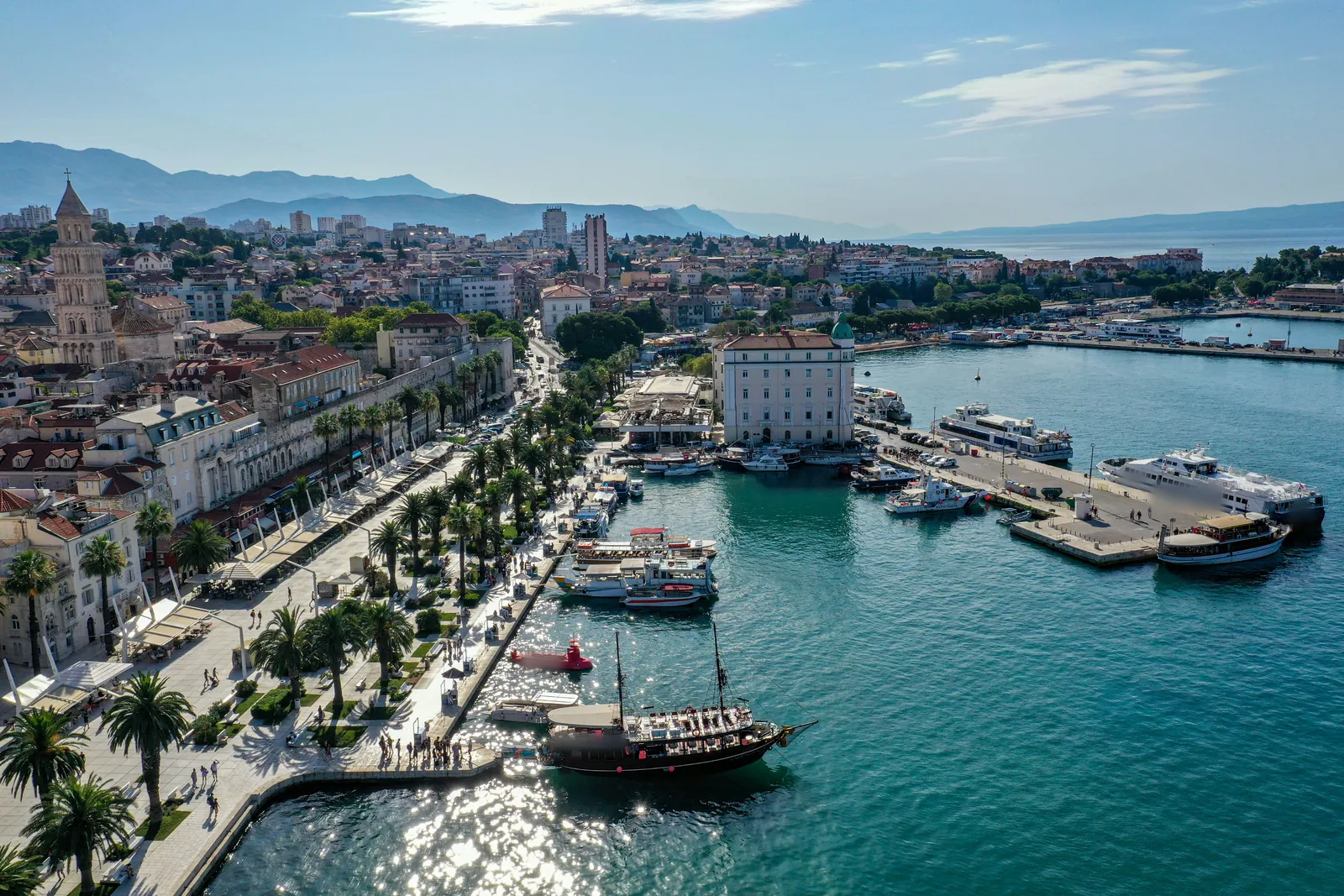
| Split | The main city of the Dalmatian coast; our cost base | Compact old town; ferries to the islands | Clinical hospital centre | Split, about 30 minutes |
| Zadar | Smaller coastal city north of Split | Old town on a peninsula | General hospital | Zadar, about 15 minutes |
| Dubrovnik | Walled city in the far south | Steep streets and steps in the old town | General hospital | Dubrovnik, about 30 minutes |
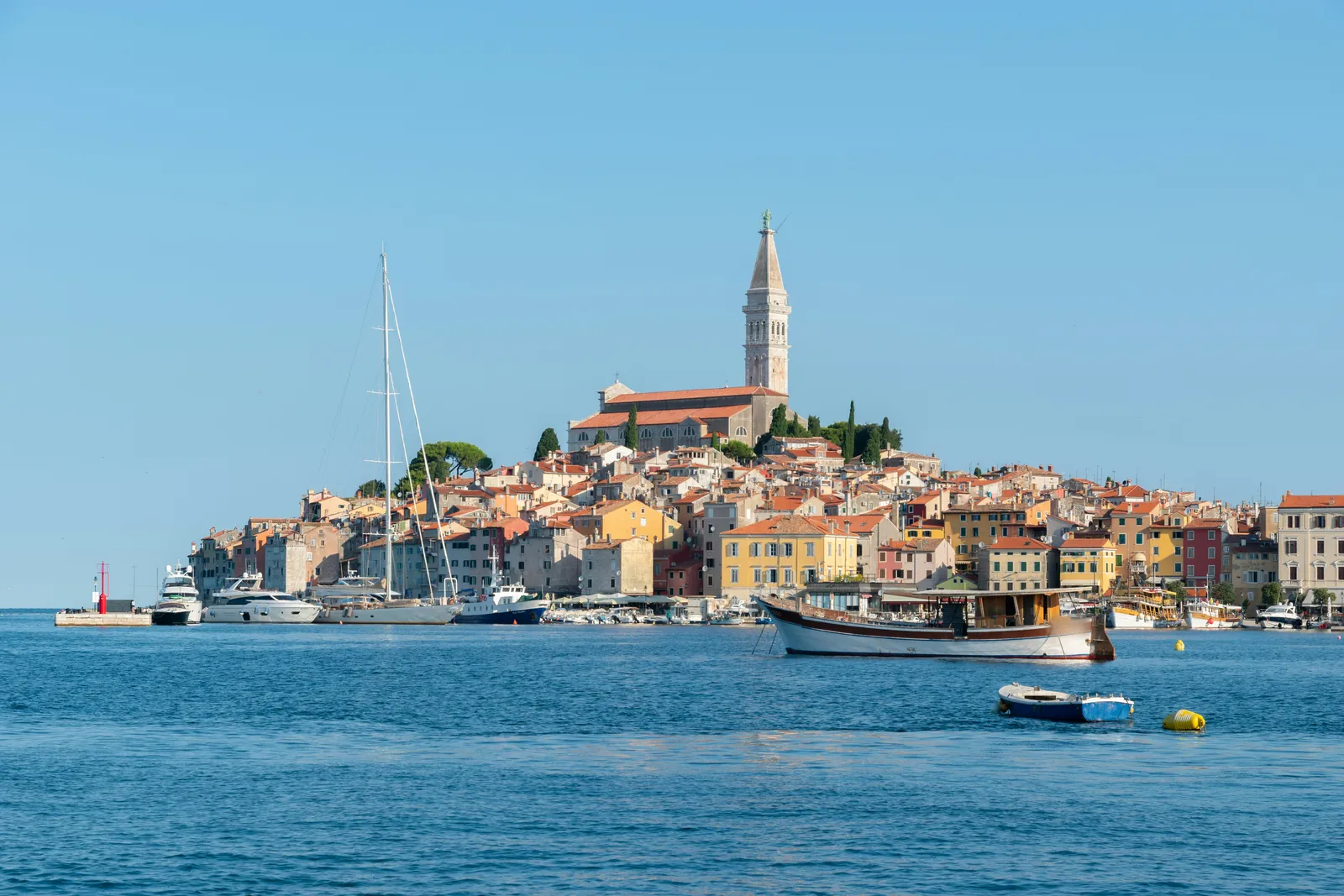
| Istria (Pula, Rovinj) | Peninsula in the north-west, near Italy | Separate towns, linked by bus | General hospital in Pula | Pula, about 15 minutes from Pula and 45 from Rovinj |
| Rijeka and Opatija | Port city and seaside town on the Kvarner Gulf | Hillsides above the water | Clinical hospital centre in Rijeka | Rijeka, about 40 minutes |
| Zagreb | The capital, inland | Buses and trams | Two clinical hospital centres and three clinical hospitals | Zagreb, about 30 minutes |
Split and Dubrovnik both ban drinking alcohol in public spaces outside bars and restaurants, Smartraveller says. Dubrovnik is far south, close to the border with Bosnia and Herzegovina.
Zadar and Rijeka are smaller bases, each with its own hospital and airport; Opatija is the seaside town next to Rijeka.
Istria costs less in rent: on our figures, Pula costs about A$730 a month less than Split for a couple. Rovinj is smaller, and its nearest general hospital is in Pula.
Zagreb is inland, with frosty winter nights, the Australian Embassy and the most hospitals.
If your family comes from a village inland or on an island, that may be where you start, and the nearest hospital may be a long drive or a ferry away. If you are weighing Croatia against its neighbour across the Adriatic, see our Italy page.
Renting or buying a home
Who can buy depends on your passport. Croatian citizens buy as Croatians. gov.hr says citizens of EU countries, Iceland, Liechtenstein and Norway buy on the same terms as Croatians, with agricultural land covered by a separate law.
On an Australian passport. Buyers from outside the EU need the consent of the Ministry of Justice and Public Administration, and only where the buyer’s country gives Croatians the same right. The ministry’s reciprocity list says there is no reciprocity for Australians buying existing property from 1 April 2025 to 31 March 2027. The exceptions are people domiciled in Croatia, and spouses of Croatian citizens or Croatian residents buying an apartment together with a Croatian citizen. They can buy one new or almost new apartment, under construction or to be built, in all of Croatia. The list doesn’t say what happens after March 2027.
How a purchase works. gov.hr says the land registry extract is the only proof of who owns a property, and ownership passes only once you are registered there. A buyer usually signs a preliminary agreement, certified by a notary, with a deposit of about 10%, which the buyer loses by pulling out. The Tax Administration charges the buyer real estate transfer tax of 3% of the market value, reported within 30 days of signing.
The risks. Smartraveller says foreigners buying property in Croatia have been caught up in long disputes over who holds the title, and suggests independent legal advice before you sign anything. Owning or renting a flat also has a tax side. Croatia can treat you as tax resident if you have a flat there for 183 days, even if you don’t stay in it (see tax below).
The people to ask are a property lawyer and a notary in Croatia who act for you, not the seller. Our guide to overseas property and visa scams covers the warning signs. For the Australian side, see whether to keep, rent or sell the family home.
Tax: there and at home
Croatia’s Tax Administration says you are tax resident if you have a permanent or a habitual residence there. Permanent residence means owning a flat, or having one available, for at least 183 days in one or two calendar years; you don’t have to stay in it. Habitual residence means staying for at least 183 days in one or two calendar years, and short breaks don’t end it.
Residents are taxed on their income from everywhere, and a pension counts as income from employment. Income tax has a lower rate up to 60,000 euros a year (about A$101,000) and a higher rate above it. Each municipality sets its own, from 15% to 23% and from 25% to 33%; the default is 20% and 30%. The basic personal allowance is 560 euros a month (about A$940).
The tax treaty. Australia and Croatia signed their first tax treaty on 24 November 2025, Treasury says, and it takes effect once both countries have completed their steps. Croatia wasn’t on Treasury’s list of treaties in force when we checked (list updated 24 March 2026). Once it applies, its pensions article says a pension paid to a resident of one country is taxed only there. Government service pensions follow their own article, and lump sums from a pension fund, super included, can also be taxed in the country they come from.
At home. The ATO’s residency tests decide whether you are still an Australian resident for tax; our guide to tax residency when you retire overseas walks through them. As a foreign resident you lose the tax-free threshold, so Australian income such as rent is taxed at 30% from the first dollar up to A$135,000 (2025-26), as the foreign resident tax rates show. Sell your Australian home while you are a foreign resident and, for sales after 30 June 2020, you generally lose the main residence exemption from capital gains tax, apart from narrow life events.
Talk to a registered tax agent in Australia, and to a tax adviser in Croatia about how it treats your pension and super, before you go.
Money and banking
Croatia’s currency is the euro.
Your pension. Services Australia pays every 2 weeks into your Australian account if you’ll be away less than 12 months. Away longer, it pays every 4 weeks into an Australian or overseas account. Paid overseas, the money comes in the local currency or US dollars, depending on the country, and usually arrives in 2 to 6 days. Bank fees are yours. Our guide to taking your Age Pension overseas covers telling Services Australia before you go.
A local account. The Tax Administration lists opening a bank account as one reason a foreigner is given an OIB, Croatia’s personal identification number. If you register your residence, the police assign it then. Each bank sets its own other requirements, so the bank can tell you what it needs.
Moving money. The main options are a transfer from your Australian bank, a currency transfer service, or cash from an ATM on an Australian card. Each can charge a fee and build a margin into its exchange rate, so both are worth asking about. Smartraveller says to declare cash of more than 10,000 euros (about A$16,790) when travelling to or from a country outside the EU.
Currency swings. Your pension is in Australian dollars and prices are in euros. At the RBA’s 12-month average rate, a bill of 1,000 euros (about A$1,680) would cost about A$1,870 if the Australian dollar fell 10%.
Day to day
Language. Croatian is the language of daily life and official paperwork, and documents for the police or a consulate must be translated into it.
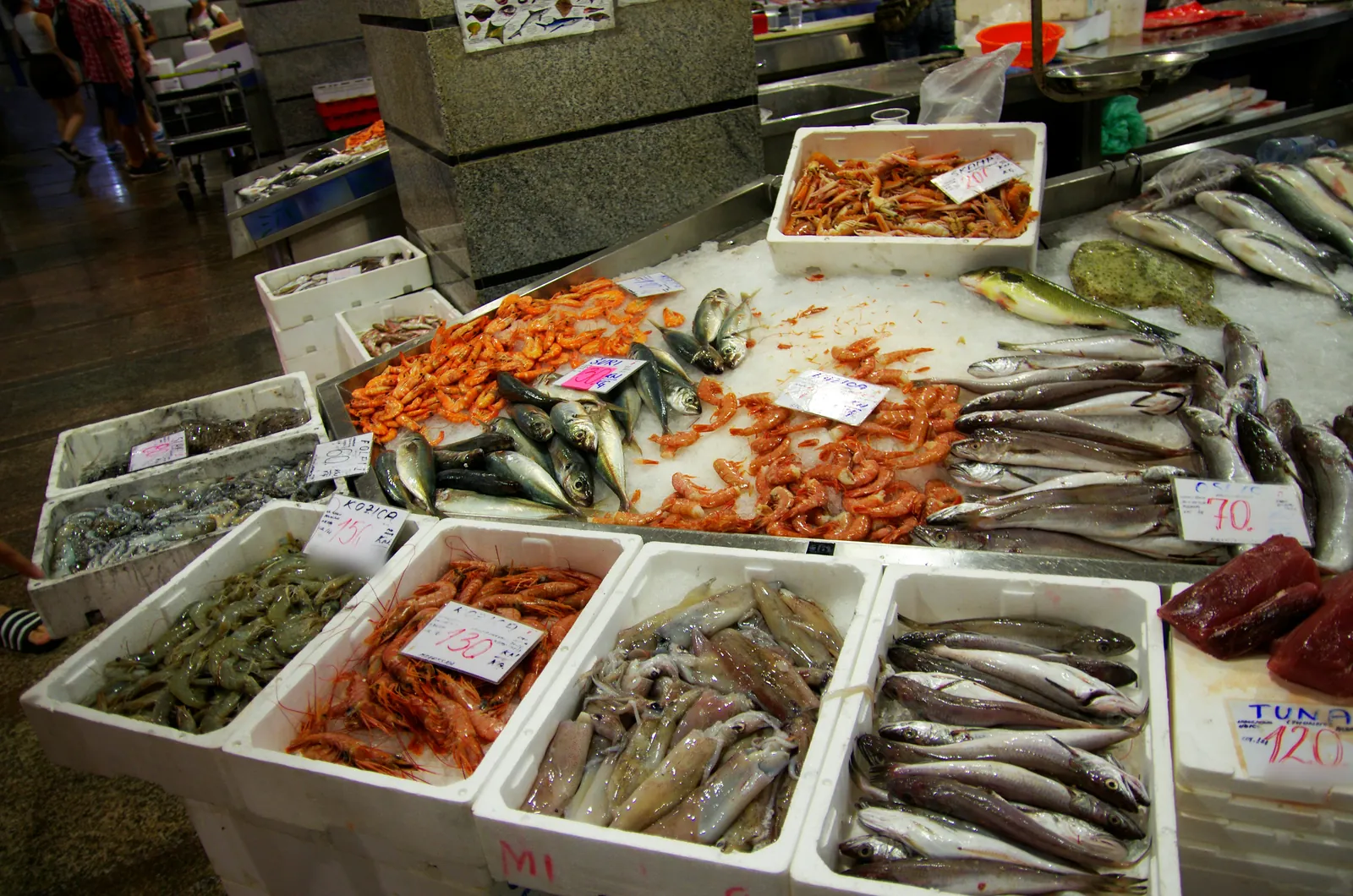
Getting around without driving. Smartraveller says bus and rail services run throughout Croatia. For taxis, it suggests registered taxis or authorised car services, with the price agreed before you get in. It advises against flagging one down.
Driving. To drive you need your Australian licence and an International Driving Permit; Smartraveller says driving without the permit could void your insurance. If you live in Croatia, you must exchange your Australian licence for a Croatian one within 12 months of arriving, at the local police station. Headlights must be on from the last weekend in October to the last weekend in March, and winter tyres are required from 15 November to 15 April. Police may fine drivers involved in an accident even when no one else is involved.
Safety. Smartraveller’s advice for Croatia is to exercise normal safety precautions (updated 16 October 2026). Pickpocketing is common in tourist areas, at stations and on public transport, and old cobblestone streets can be slippery. You must carry ID, such as your passport, at all times. Police issue on-the-spot fines and may hold your passport if you dispute one or can’t pay.
Drug offences can mean prison, and Smartraveller says to drink only branded, sealed drinks because of methanol poisoning. Croatia is in an active earthquake zone, and forest fires are common on the coast and islands from June to September. Early in 2026 the government declared Croatia free of landmines after decades of clearing; Smartraveller still says to stay on marked tracks when hiking.
The weather, month by month. The coast is mild in winter and hot and dry in summer. Zagreb, inland, has frosty winter nights. These are long-term averages from the World Meteorological Organization:
| Month | Split high | Split low | Split rain | Zagreb high | Zagreb low | Zagreb rain |
|---|---|---|---|---|---|---|
| January | 10°C | 5°C | 78 mm | 3°C | -4°C | 49 mm |
| February | 11°C | 6°C | 65 mm | 6°C | -3°C | 42 mm |
| March | 14°C | 8°C | 64 mm | 11°C | 1°C | 52 mm |
| April | 17°C | 11°C | 62 mm | 16°C | 5°C | 62 mm |
| May | 23°C | 15°C | 55 mm | 21°C | 9°C | 79 mm |
| June | 27°C | 19°C | 51 mm | 25°C | 13°C | 99 mm |
| July | 30°C | 22°C | 28 mm | 27°C | 14°C | 81 mm |
| August | 30°C | 22°C | 43 mm | 26°C | 14°C | 91 mm |
| September | 25°C | 18°C | 67 mm | 22°C | 10°C | 83 mm |
| October | 20°C | 14°C | 78 mm | 16°C | 6°C | 72 mm |
| November | 15°C | 10°C | 112 mm | 9°C | 2°C | 85 mm |
| December | 12°C | 7°C | 105 mm | 4°C | -2°C | 64 mm |
November and December are Split’s wettest months, and July its driest. Smartraveller says flooding can happen at any time of year.
Public holidays. Croatia’s embassy in Washington lists 1 and 6 January for 2026, and Easter Sunday and Monday (5 and 6 April). May and June bring 1 May, Statehood Day (30 May), Corpus Christi (4 June) and 22 June. Then come 5 and 15 August, 1 November, Remembrance Day on 18 November, and 25 and 26 December.
Making friends. Family is the obvious start for Croatian-Australians. Otherwise, a Croatian class or a walking group gives you the same faces each week. If grandchildren stay behind in Australia, see retiring overseas with grandchildren at home.
Getting there and coming home

BITRE’s June 2026 airline figures show no non-stop flights between Australia and Croatia, so expect at least one stop. Croatia’s transport ministry lists seven airports open to public traffic: Zagreb, Split, Dubrovnik, Zadar, Pula, Rijeka and Osijek, plus smaller ones on Brač and at Mali Lošinj. Smartraveller says land border crossings with Bosnia and Herzegovina, Montenegro and Serbia can be slow, especially in the European summer.
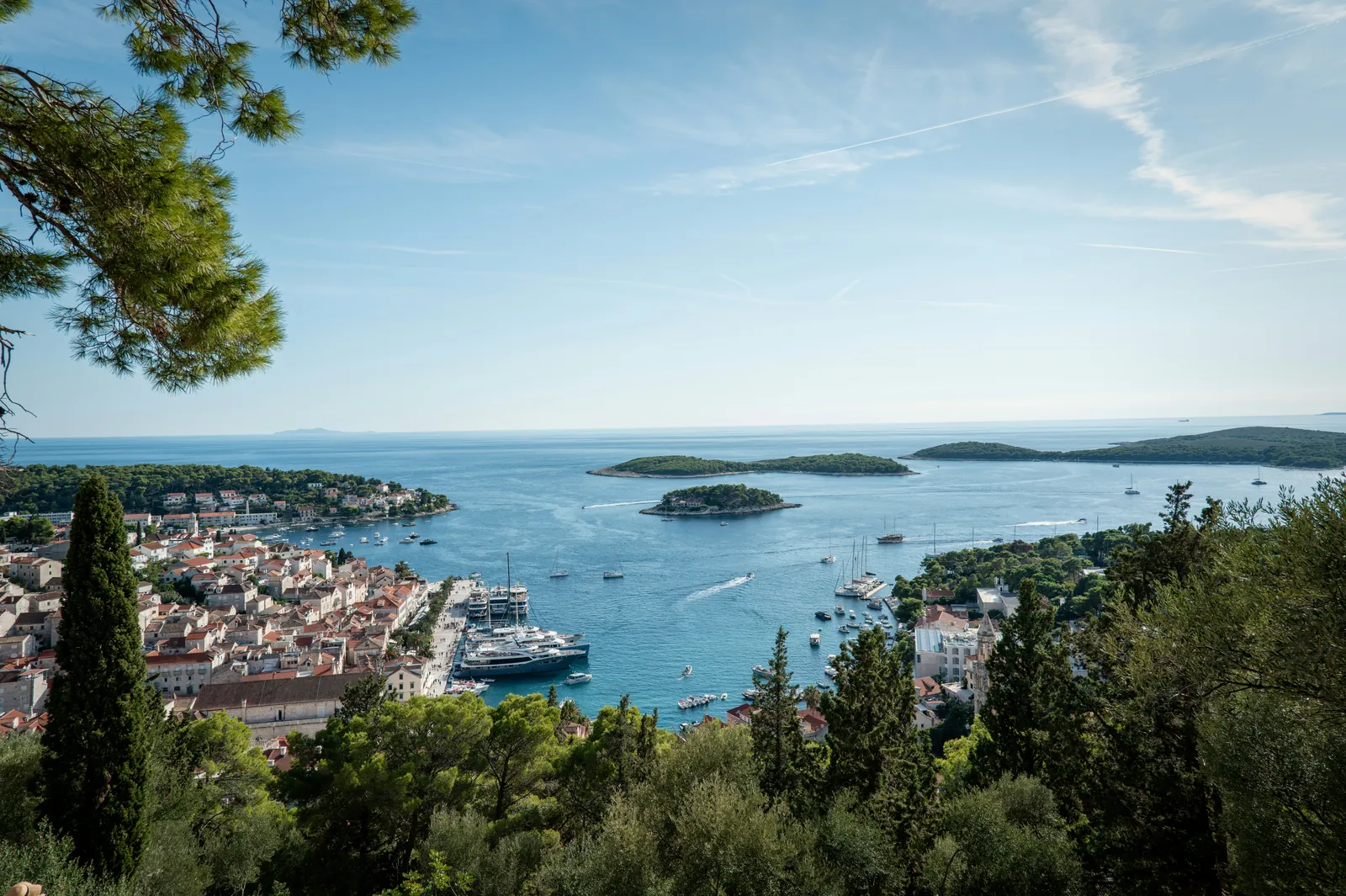
In our summer, Croatia is 10 hours behind Sydney and Melbourne. In our winter it is 8 hours behind. When it is 8am in Split in our winter, it is 4pm in Sydney and 2pm in Perth, a workable time to call home.
Our guide to coming home explains what happens to your pension and Medicare when you move back.
Your first steps
One order that works, from a first visit to living there. The right order for you depends on your passport, your health and your home.
- Ask for help first. Book a free planning session on Zoom, or contact our team. Once we understand your situation, we can point you in the right direction.
- Visit in winter as well as summer. Our guide to trying it before you move sets out the options.
- Talk it over with your partner and family early. Our guide to talking to your family has ways to start.
- Work out which passport route you are on: Croatian, another EU passport, or Australian only.
- Citizenship by descent is applied for in person at the Croatian embassy or the consulate for your state, and the embassy expects 12 to 24 months for a complete application.
- After 12 weeks away the pension is the base rate, and health contributions sit outside our cost estimate.
- Find out what health cover you can get at your age, and check each medicine against Croatia’s one-month limit.
- Work out what happens to the house, and whether it counts for the pension while you are away.
- Croatia wants the police check, apostilles and Croatian translations no older than 6 months when you apply.
- On a temporary stay, the address goes to the police within 3 days of entering Croatia, and registration with HZZO is due within 8 days of the stay being granted.
- Services Australia needs to know you are leaving, and how your pension will be paid.
- Find the nearest hospital, and how you’d reach it from an island or a village.
- Know your way back, and the date your stay or Schengen days run out.
Questions people ask
Can I retire in Croatia from Australia?
With a Croatian or other EU passport, yes. On an Australian passport alone, Croatia has no retirement visa. A temporary stay for other purposes lasts up to a year, then you wait 6 months, so it suits a long stay rather than a move.
Does Croatia have a retirement visa?
No. Retirees from outside the EU use a temporary stay for other purposes. It needs proof of money, health insurance and a clean police record, and lasts a year at most.
How long can Australians stay in Croatia?
Up to 90 days in any 180-day period, counted across the whole Schengen area. Longer stays need a temporary stay approval from Croatia, and with a Croatian passport there is no limit.
How much money do you need to retire in Croatia?
Our estimate for Split is about A$5,180 a month for a couple and A$3,750 for one person, rent included, before health cover. For a temporary stay, Croatia’s decree sets the money test at 50% of last year’s average monthly net wage there, and 15% more for a couple.
How do I get Croatian citizenship by descent in Australia?
You apply in person at the Croatian embassy in Canberra or a consulate in Sydney, Melbourne or Perth. You need apostilled, translated documents no older than 6 months and proof of your family’s emigration. The embassy expects about 12 to 24 months.
Can Australians buy property in Croatia?
Not an existing home for now. Croatia’s Ministry of Justice lists no reciprocity for Australians buying existing property until 31 March 2027, with narrow exceptions. Croatian and other EU citizens buy on the same terms as Croatians.
Can I get the Age Pension in Croatia?
Yes. It keeps paying, with the usual 6, 12 and 26-week rules. Because Croatia is an agreement country, you can generally claim it from there through HZMO, and years of work in Croatia can help you qualify.
Does Medicare cover me in Croatia?
No. Croatia has no reciprocal health care agreement with Australia, and a temporary stay means registering with HZZO and paying contributions. Medicare still covers citizens back in Australia for up to 5 years after they move.
Is Croatia a good fit?
Good for
- Croatian passport holders going home, who need no visa
- Croatian-Australians who can claim citizenship by descent
- Claiming the Age Pension from Croatia under the agreement
Think about
- No retirement visa: a year's stay at most, then a 6-month gap
- No Medicare agreement, so you pay for all care
- On an Australian passport, no buying an existing home until 31 March 2027, with narrow exceptions
- Health services on the islands are limited
- No non-stop flight home
Places to compare
- ItalyItaly has a social security agreement and a Medicare agreement with Australia, and on our figures Puglia costs less than Tuscany.
- GreeceA Mediterranean base with a social security agreement behind your pension. At the end of 2025, 9,187 people were being paid the Age Pension there.
- MaltaA social security agreement and a reciprocal health care agreement with Australia, and medical care Smartraveller describes as good.
- PortugalMild winters, and a long-stay visa whose income test is set at the Portuguese minimum wage. Portugal also has a social security agreement with Australia.
- FranceA long-stay visitor visa with no age limit and a published income test, and medical facilities Smartraveller says are similar to Australia's.




Guides for this place
- Claim before you leaveCan you claim the Age Pension while overseas? You must be living in and physically in Australia on the day you claim. The agreement countries, checked 2026.
- The 6, 12 and 26-week rulesWhat happens to your Age Pension at 6, 12 and 26 weeks overseas, updated for the Pension Supplement change of 20 September 2026. Checked October 2026.
- Medicare overseasDoes Medicare cover me overseas? No. The 11 reciprocal agreement countries, none in Asia, and the 5-year rule for Medicare on visits home. Checked 2026.
- Health insurance by ageInternational health insurance for over 70s living overseas: why age matters, the types of cover, and the questions to ask a broker. Checked October 2026.
- Pension and Medicare when you returnReturning to Australia after living overseas: what happens to your Age Pension and concession card, the 2-year rule, and the 5-year rule for Medicare.




Sources
- Smartraveller: Croatia, checked 21 October 2026 (page updated 16 October 2026)
- Smartraveller: Travelling to Europe and the Schengen Area, checked 21 October 2026 (page updated 18 August 2026)
- Smartraveller: Going overseas to retire, checked 21 October 2026 (page updated 18 August 2026)
- Smartraveller: How to get your documents legalised, checked 21 October 2026 (page updated 30 September 2026)
- Croatian Ministry of the Interior: Temporary stay of third-country nationals, checked 21 October 2026
- Croatian Ministry of the Interior: Temporary stay for the purpose of family reunification, checked 21 October 2026
- Croatian Ministry of the Interior: Long-Term Residence and Permanent stay, checked 21 October 2026
- Croatian Ministry of the Interior: Stay and work of EEA nationals and their family members, checked 21 October 2026
- Croatian Ministry of the Interior: Citizenship, checked 21 October 2026
- Croatian Ministry of Foreign and European Affairs: Temporary residence, checked 21 October 2026
- Embassy of the Republic of Croatia in Australia: Applying for Croatian Citizenship, checked 21 October 2026 (no date shown)
- Embassy of the Republic of Croatia in Washington: Croatian and U.S. holidays (2026), checked 21 October 2026
- Narodne novine: Uredba o načinu izračuna i visini sredstava za uzdržavanje državljanina treće zemlje u Republici Hrvatskoj (NN 14/2021), the decree on means of subsistence, checked 21 October 2026 (decree of 11 February 2021)
- Narodne novine: Zakon o obveznom zdravstvenom osiguranju i zdravstvenoj zaštiti stranaca u Republici Hrvatskoj (NN 80/13), the act on health insurance for foreigners, checked 21 October 2026 (articles used are unchanged in the text as amended to NN 46/22)
- Narodne novine: Ministry of Health, Mreža telemedicinskih centara (NN 94/2021), listing hospitals by level of care, checked 21 October 2026 (decision of 18 August 2021)
- Croatian Customs Administration: Bringing in medicine and narcotics, checked 21 October 2026
- Croatian Tax Administration: Determination of residency status, checked 21 October 2026
- Croatian Tax Administration: Income tax, information on the general rules, rates, taxpayer and submitting annual income tax return, checked 21 October 2026
- Croatian Tax Administration: Real estate transfer tax, information on the general rules, rate and taxpayer, checked 21 October 2026
- Croatian Tax Administration: Personal identification number (PIN/OIB), information on the general rules and assigning of OIB, checked 21 October 2026 (page updated 9 October 2025)
- Croatian Ministry of Justice and Public Administration: Information on reciprocity in the acquisition of ownership rights in real estate, checked 21 October 2026
- gov.hr: Real estate purchase for foreign nationals, checked 21 October 2026
- gov.hr: Purchase of real property, checked 21 October 2026
- gov.hr: Rental of real property, checked 21 October 2026
- Croatian Ministry of the Sea, Transport and Infrastructure: Air transport (airports open for public traffic), checked 21 October 2026
- Your Europe (European Union): Pensioners, residence rights, checked 21 October 2026 (last checked by the EU 1 July 2026)
- Treasury: Croatia tax treaty (signed 24 November 2025), checked 21 October 2026
- Treasury: Agreement between Australia and the Republic of Croatia for the Elimination of Double Taxation (treaty text, Article 17 Pensions), checked 21 October 2026
- Treasury: Income tax treaties, checked 21 October 2026 (page updated 24 March 2026; Croatia not listed)
- ATO: Your tax residency, checked 21 October 2026 (page updated 3 June 2026)
- ATO: Tax rates, foreign residents, checked 21 October 2026 (page updated 1 June 2026)
- Australian Federal Police: National police checks, checked 21 October 2026
- Services Australia: Social Security Agreement between Australia and Croatia (factsheet INT020), checked 21 October 2026 (accurate as at July 2025)
- Services Australia: International social security agreements, Europe, checked 21 October 2026 (page updated 27 July 2026)
- Services Australia: Social security agreements with other countries (Age Pension), checked 21 October 2026 (page updated 3 March 2022)
- Services Australia: Travel outside Australia rules for Age Pension, checked 21 October 2026 (page updated 4 December 2025)
- Services Australia: Payments while outside Australia, checked 21 October 2026 (page updated 5 March 2026)
- Services Australia: Payment schedule and rates for people outside Australia, checked 21 October 2026 (page updated 24 September 2026)
- Services Australia: About reciprocal health care agreements, checked 21 October 2026 (page updated 15 September 2026)
- Services Australia: Enrolling in Medicare if you're an Australian citizen, checked 21 October 2026
- Services Australia: Enrolling in Medicare if you're an Australian permanent resident, checked 20 October 2026 (page dated 11 July 2025)
- Department of Social Services: FOI LEX 56898, Age Pension recipients by country, checked 21 October 2026 (Croatia: 1,603 recipients, A$802,225.30 a fortnight combined, December 2025)
- Numbeo: cost of living in Split, checked 20 October 2026 (last updated 20 October 2026; Numbeo refused requests on 21 October)
- Numbeo: cost of living in Pula, checked 20 October 2026 (last updated 20 October 2026)
- Reserve Bank of Australia: Historical exchange rates, F11.1; 12-month average, 1 October 2025 to 30 September 2026, checked 20 October 2026
- World Meteorological Organization, World Weather Information Service: Split climate, checked 21 October 2026
- World Meteorological Organization, World Weather Information Service: Zagreb climate, checked 21 October 2026
- BITRE: International Airline Activity, June 2026 (no non-stop flights to Croatia), checked 21 October 2026
General information only, not financial, tax, legal, migration or insurance advice. Rules change: check the official source before you act, and talk to a licensed professional about your own situation.
Thinking about Croatia?
Tell us what you have in mind, and we will help you plan it on a free Zoom call: when to go, how long for, and who with.
No pressure and no card details. You decide what comes next.