
Thailand retirement visa for Australians: age, bank deposit and the new 30-day rule
Checked 21 October 2026, re-checked monthlyBy the Retirees Abroad teamGeneral information only, how we check
The short answer
From 15 September 2026, Australians get 30 days visa-free in Thailand, down from 60. To stay longer as a retiree you must be 50 or over. The Non-O and Non-O-A visas ask for 800,000 baht (about A$35,650) in the bank or 65,000 baht a month of income (about A$2,900). The Non-O-A also needs health insurance of at least 3,000,000 baht (about A$134,000).
How long can I stay in Thailand without a visa?
30 days, for entries from 15 September 2026. It used to be 60. According to TTG Asia, the change was published in Thailand’s Royal Gazette on 31 August 2026 and the new 30-day stay is for tourism. Anyone who entered up to 14 September still got the 60 days.
Visasnews reports that you can ask a Thai immigration office for one extension of up to 30 days, for a fee of 1,900 baht (about A$85). The officer can say no. If they say yes, you have 60 days in total.
Smartraveller lists a few more things to have sorted before you land:
- Your passport must be valid for more than 6 months when you arrive.
- Be ready to show where you are staying, enough money for your stay and an onward or return ticket.
- You must fill in the Thailand Digital Arrival Card (TDAC) online within 3 days before you arrive. It is free. Smartraveller warns of fake websites that charge for it.
There is also a cap on how often you can come and go. Smartraveller says you may only be allowed 2 visa-free entries each calendar year without a justifiable reason, and Thai consular pages limit visa-exempt entries over land borders to 2 a calendar year.
This changed on 15 September 2026. If you planned a winter away in Thailand on the old 60-day rule, check your dates again. A 12-week winter no longer fits in a visa-free stay, even with an extension.
What is the retirement visa age in Thailand?
Age 50. The Non-O, the Non-O-A and the 10-year O-X all need you to be at least 50 years old. So does the “Wealthy Pensioner” stream of the Long-Term Resident (LTR) visa.
What is the difference between the Non‑O and the Non‑O‑A?
Both are for people aged 50 and over, and the money rule is the same. The Non-O-A is a one-year visa you get before you go, with more paperwork (health insurance among it). The O-X runs for 10 years and asks for far more money in a Thai bank. The LTR is something else again: a 10-year visa with a much higher income rule.
| Non-O (retirement) | Non-O-A (long stay) | O-X (long stay, 10 years) | LTR “Wealthy Pensioner” | |
|---|---|---|---|---|
| Youngest age | 50 | 50 | 50, for citizens of 14 countries, Australia among them | 50 |
| Where you apply | A Thai embassy or the Thai e-visa system, then extend in Thailand | A Thai embassy or the Thai e-visa system, before you go | A Thai embassy or the Thai e-visa system, before you go | Thailand’s Board of Investment |
| How long | 90 days, then extended to 1 year at Thai immigration | 1 year | 10 years (5, then extended for 5 in Thailand) | 10 years (5, then renewed for 5) |
| Money | 800,000 baht (about A$35,650) in the bank, or 65,000 baht a month of income (about A$2,900) | 800,000 baht, or 65,000 baht a month, or a mix adding up to 800,000 baht a year (about A$35,650 or A$2,900 a month) | 3,000,000 baht in a Thai bank (about A$134,000), or 1,800,000 baht there (about A$80,210) plus 1,200,000 baht a year of income (about A$53,480) | US$80,000 a year of passive income (about A$116,000), or US$40,000 a year (about A$57,810) plus a US$250,000 investment in Thailand (about A$361,000) |
| Health insurance | Listed by some embassies: the Kuala Lumpur embassy asks for 400,000 baht inpatient and 40,000 baht outpatient cover (about A$17,830 and A$1,780) | At least 3,000,000 baht or US$100,000 (about A$134,000 or A$145,000) of cover | A policy from an insurer in Thailand with at least 400,000 baht inpatient and 40,000 baht outpatient cover (about A$17,830 and A$1,780) | US$50,000 of cover (about A$72,260), or US$100,000 (about A$145,000) kept in a bank account for at least 12 months |
| Other papers | Passport, photos, bank statement or income letter; some embassies also ask for a police check and a medical certificate | A police check and a medical certificate | A police check and a medical certificate, each issued within 3 months | As listed by the Board of Investment |
| Fee | Ask the embassy | Ask the embassy | Ask the embassy; Tokyo charges 52,000 yen (about A$480) | 50,000 baht a person (about A$2,230) to issue the visa in Thailand |
The Non-O details come from the Thai embassy in Kuala Lumpur (December 2023) and the Non-O-A details from the Thai embassy in Oslo (September 2026). The O-X details come from the Thai embassies in Oslo and Tokyo. Embassies can differ, so check the Royal Thai Embassy in Canberra’s current list before you apply.
What does the 800,000 baht bank deposit rule mean?

It means showing 800,000 baht (about A$35,650) in a bank account in your name. Instead of the deposit, you can show 65,000 baht a month of income (about A$2,900), such as a pension. For the Non-O-A, the Oslo embassy also accepts a mix of the two that adds up to 800,000 baht a year (about A$35,650).
When you extend your stay inside Thailand, Thai immigration decides how long the money has to stay in the account. Ask the embassy or Thai immigration for the current rule. And check the A$ amount on the day, because the baht moves. Our A$ figures use the RBA’s 12-month average rate.
What are the health insurance requirements?

The Non-O-A needs a health insurance policy of at least 3,000,000 baht or US$100,000 (about A$134,000 or A$145,000) for your whole stay, according to the Thai embassy in Oslo. The O-X asks for a policy from an insurer in Thailand, with at least 400,000 baht inpatient and 40,000 baht outpatient cover (about A$17,830 and A$1,780). Some embassies list insurance for the Non-O as well. The Royal Thai Embassy in Canberra can tell you its current figure.
For the Non-O-A, the policy that fits is usually international health insurance rather than travel insurance for a single trip. Smartraveller says your age and health affect the cost and type of policy you need. It also warns that policies can be costly and may not cover pre-existing conditions.
In your 70s, get a quote before you apply for the visa, since that’s how you find out whether cover is on offer at all. Our guide to international health insurance by age has more. Questions to ask an insurance broker:
- Will this policy meet the Thai visa amount, in baht, for a full year?
- Is there an age limit for new members, and for renewal?
- Does it cover conditions I already have?
- Does it pay to fly me home to Australia if I need it?
If you’d like to talk it through first, book a free planning session on Zoom.
What is the O-X visa?
It is Thailand’s 10-year long-stay visa for people aged 50 and over who don’t intend to work there. Only citizens of 14 countries can apply, and the Thai embassies in Oslo and Tokyo both list Australia.
The first stay is 5 years from the day you enter. After that, the Oslo embassy says you can apply in Thailand for an extension of 5 more years.
The money has to sit in a Thai bank. You need 3,000,000 baht there (about A$134,000), or 1,800,000 baht (about A$80,210) plus income of 1,200,000 baht a year (about A$53,480). Anyone using the smaller deposit must build it up to 3,000,000 baht (about A$134,000) within a year of arriving, the Oslo embassy says.
That embassy also says none of the money can be withdrawn for the first year. In the following year at least 1,500,000 baht (about A$66,840) must stay there, and it can only be spent in Thailand.
Health cover has to come from an insurer in Thailand: at least 400,000 baht inpatient and 40,000 baht outpatient (about A$17,830 and A$1,780). Both embassies also ask for a police check and a medical certificate, each issued within 3 months.
A married spouse of any age can apply too, with the marriage certificate. Embassies list the fee in their own currency, and Tokyo’s is 52,000 yen (about A$480). The Royal Thai Embassy in Canberra can give its figure. Our page on retiring in Thailand puts the O-X beside the other visas.
What is the LTR visa, and how is it different?
It is a 10-year visa run by Thailand’s Board of Investment, and its “Wealthy Pensioner” stream is for people aged 50 and over. The money bar sits well above the retirement visas, at US$80,000 a year of passive income (about A$116,000). If your passive income is between US$40,000 and US$80,000 a year (about A$57,810 and A$116,000), you also need US$250,000 (about A$361,000) invested in Thai government bonds, a Thai company or Thai property.
You also need US$50,000 of health cover (about A$72,260), or US$100,000 (about A$145,000) kept in a bank account for at least 12 months. The fee to issue the visa in Thailand is 50,000 baht a person (about A$2,230).
What about the Destination Thailand Visa (DTV)?
Thai embassies describe it as a 5-year visa allowing up to 180 days per entry, with at least 500,000 baht in funds (about A$22,280). It is meant for remote workers and freelancers, and for people coming for things like Muay Thai or Thai cooking courses, sports training or medical treatment. Retirement isn’t on that list, so check carefully whether you fit before you apply.
An example, not real people
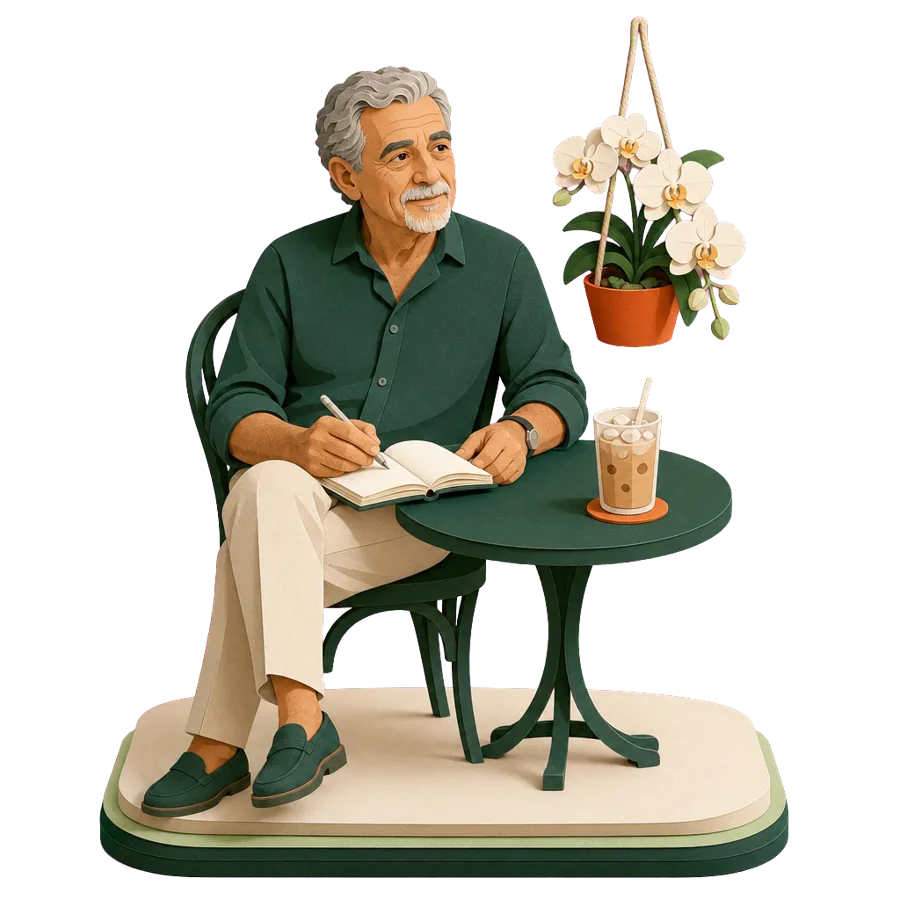
Ray is 64, single, and wants to spend November to February in Chiang Mai: about 16 weeks.
| Option | Days it gives him | Does it cover 16 weeks? |
|---|---|---|
| Visa-free entry | 30 | No |
| Visa-free plus one extension (reported by Visasnews) | 60 | No |
| Non-O retirement visa | 90, then extendable to a year | Yes |
| O-X long-stay visa | 5 years, then extendable for 5 more | Yes, but it needs 3,000,000 baht in a Thai bank (about A$134,000) |
The Non-O covers the whole stay with the smaller money test, and at 64 he is old enough for it. He would need 800,000 baht (about A$35,650) in the bank, or 65,000 baht a month of income (about A$2,900). He isn’t on the Age Pension yet, so its overseas rules don’t touch him this year.
Does my Age Pension keep paying in Thailand?

Yes. Services Australia says your Age Pension can keep paying overseas, subject to the 6, 12 and 26-week rules. But Thailand has no social security agreement with Australia, so you can’t claim the pension from there, and Medicare won’t pay for treatment in Thailand. For costs, prices and visas in one place, see retiring in Thailand.
What this means for you depends on
- Your age, and your partner’s age if you are going together. The O-X takes a married spouse of any age; for the other visas, ask the embassy how a younger partner can come with you.
- Whether you can show 800,000 baht (about A$35,650) in the bank, or 65,000 baht a month of income (about A$2,900). The O-X asks for 3,000,000 baht (about A$134,000), or a smaller deposit plus income.
- How long you want to stay. Thirty days, a winter and a whole year each need something different.
- Health insurance at your age that meets the Thai amount.
- Further changes after October 2026. Check with the Royal Thai Embassy in Canberra, or Thai immigration, before you book.
More for your age group



Places this guide mentions
- ThailandRetirement visas start at 50 and day-to-day costs are low. The big cities have private hospitals.
- Chiang MaiCooler evenings, temples, mountains nearby and a slower pace.
- Hua HinA beach town on the Gulf of Thailand, about 200 kilometres south of Bangkok.



Stories about this
- Dave, 75: a holiday in Thailand that turned into a moveStaying, and calls it paradise
- Gerald: a whole month in Thailand for what rent alone costs hereSettled in Thailand since 2017, as reported in 2024
- John, 73: a modest pension in Chiang Mai, with about 40% savedLiving in Chiang Mai, and considering Majorca as his next move
- Peter: rent down from $1,120 to $400 a month, with health cover the catchStaying, and says he is happy there




Sources
- Smartraveller: Thailand, checked 20 October 2026 (page updated 15 October 2026)
- TTG Asia: Thailand cuts visa-free stay to 30 days for 60 countries (on the Royal Gazette announcements of 31 August 2026), checked 20 October 2026 (article dated 8 September 2026)
- Visasnews: Thailand 30-day visa-free stay can be extended by another 30 days, checked 20 October 2026 (article dated 17 September 2026)
- Royal Thai Embassy, Kuala Lumpur (Thai Ministry of Foreign Affairs): Non-Immigrant Visa O for retirement, requirements, checked 20 October 2026 (document dated December 2023)
- Royal Thai Embassy, Oslo: Non-Immigrant O-A (long stay) visa, checked 20 October 2026 (page updated 15 September 2026)
- Thai Ministry of Foreign Affairs (Royal Thai Embassy, Tokyo): Non-Immigrant (OX) Long Stay 10-year Visa, checked 21 October 2026
- Royal Thai Embassy, Oslo: Non-Immigrant Visa O-X (Long Stay 10 years), checked 21 October 2026
- Royal Thai Embassy, Budapest: Destination Thailand Visa (DTV), checked 20 October 2026 (page updated 18 August 2026)
- Thailand Board of Investment: Long-Term Resident visa, checked 20 October 2026 (no page date shown)
- Royal Thai Embassy, Canberra, checked 20 October 2026
- Services Australia: When you leave Australia if you get Age Pension, checked 20 October 2026 (page dated 20 September 2026)
- Services Australia: International social security agreements, Asia, checked 20 October 2026 (page dated 25 August 2025)
- Smartraveller: Going overseas to retire, checked 20 October 2026 (page updated 18 August 2026)
- Smartraveller: Travel insurance, checked 20 October 2026 (page dated 18 August 2026)
- Royal Thai Consulate-General, Munich: Visa exemption (land and sea entries limited to 2 a calendar year), checked 20 October 2026
- Royal Thai Embassy, Yangon: Do I need a visa? (land border entries limited to 2 a calendar year), checked 20 October 2026
General information only, not financial, tax, legal, migration or insurance advice. Rules change: check the official source before you act, and talk to a licensed professional about your own situation.
Questions about your own situation?
Every situation is different. Tell us about yours, and we will help you plan your time overseas on a free Zoom call.
No pressure and no card details. You decide what comes next.