
Retiring in Fiji from Australia: costs, visas, pension and health cover (2026)
About 4 hours from Sydney, with a residence permit for people on their own income that starts at age 45.
Checked 21 October 2026, re-checked monthlyBy the Retirees Abroad teamGeneral information only, how we check
The short answer
Our estimate for a month in Suva is about A$3,630 for a couple or A$2,750 for one person, rent included (October 2026). Australians get a 4-month visitor permit on arrival, and a residence permit on assured income starts at 45. Your Age Pension keeps paying, but Medicare never pays for treatment in Fiji and there is no reciprocal agreement.
Fiji at a glance
- A comfortable month, couple
- About A$3,630
- A comfortable month, one person
- About A$2,750
- Visa for a visit
- 4 months on arrival; residence permit from 45
- Weather
- Warm all year; cyclone season November to April
- Costs based on
- Suva (Numbeo has too little Nadi data)
- Medicare agreement
- No
- Social security agreement
- No
- Tax treaty with Australia
- Yes, in force since 28 December 1990
- Long-stay visa
- Residence permit on assured income from 45: FJ$100,000 (about A$64,250) sent to Fiji or a property bought
- Flight from Sydney
- About 4 hours non-stop to Nadi
- Time difference
- 2 hours ahead of Sydney (1 in daylight saving)
Costs are mid-range estimates in Australian dollars, rent included, for a comfortable month. For comparison, a comfortable month in Australia is about A$6,580 for a couple who own their home (ASFA, June quarter 2026).
Who Fiji suits, and what to weigh up

Fiji suits you if you want warm weather close to home: non-stop flights from Sydney to Nadi take about 4 hours. Australians get a visitor permit of up to 4 months when they land, and the residence permit for people who live on their own income starts at age 45.
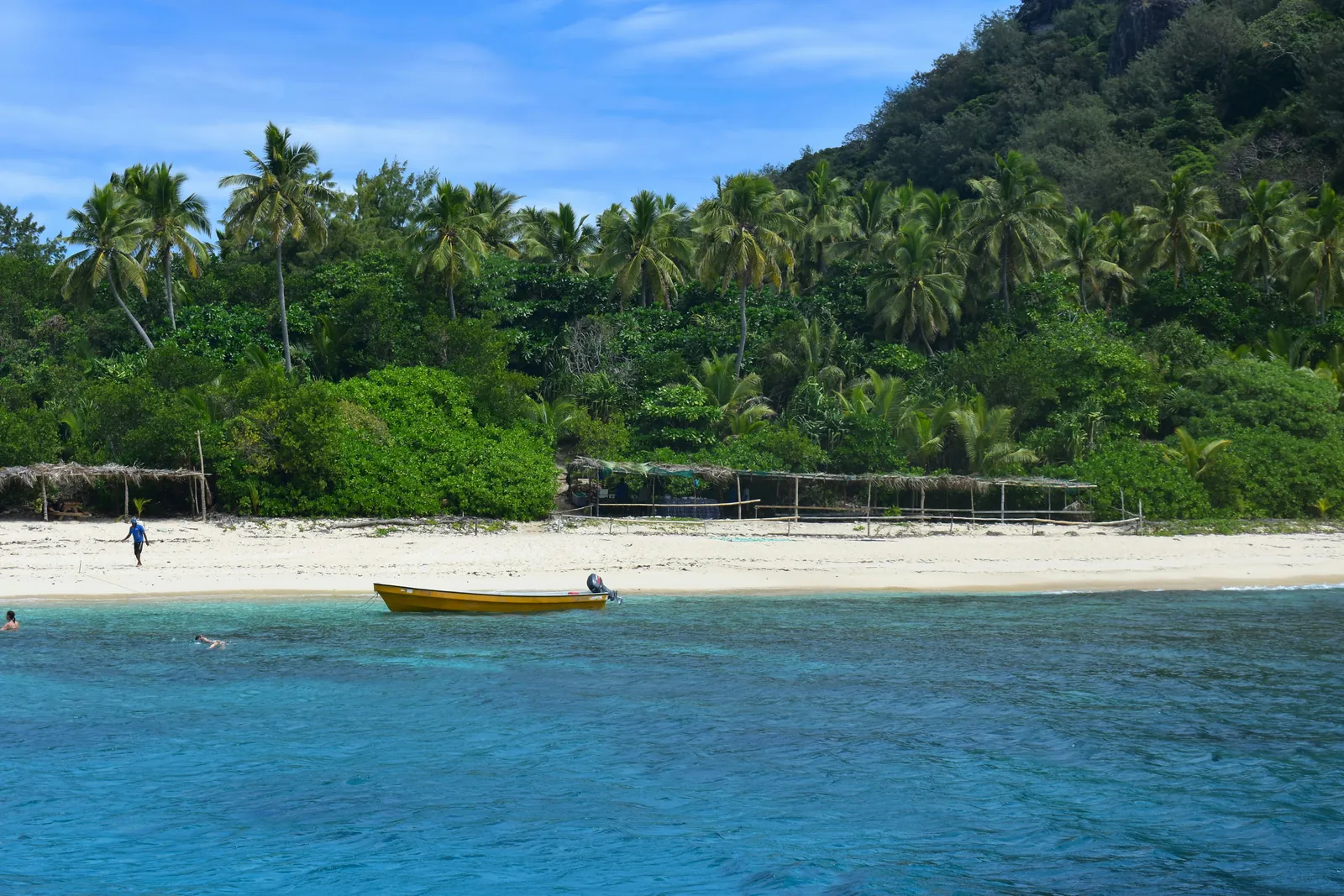
Smartraveller says medical care in Fiji is limited and below Australian standards, and if you’re seriously ill or injured you’ll need evacuation to Australia. Fiji also isn’t cheap on our figures: a month in Suva takes nearly all of a couple’s Age Pension at the overseas base rate.
Buying a home is restricted. Fiji’s land law treats anyone who isn’t a Fiji citizen as a non-resident. Since 2014, non-residents can’t buy house land inside a town or city, only a strata unit or a home in a tourism development.
Department of Social Services figures released under freedom of information show 25 people getting the Age Pension in Fiji at 31 December 2025. They were paid about A$793 a fortnight on average, and the count leaves out shorter stays.
What a month costs
Our estimate for a month in Suva, the capital, is about A$3,630 for a couple and A$2,750 for one person, rent included. We would have used Nadi, but Numbeo doesn’t have enough Nadi prices for a monthly estimate, so Fiji’s figures are based on Suva.
| A month in Suva | Couple | One person |
|---|---|---|
| Rent, one-bedroom flat in the centre | A$1,270 | A$1,270 |
| Living costs (food, transport, bills) | A$1,520 | A$840 |
| Eating out, local trips and extras (30%) | A$840 | A$640 |
| Total | A$3,630 | A$2,750 |
How a month in Fiji compares
For a couple
- Fiji, our estimate
- A$3,630
- Comfortable in Australia
- A$6,580
- Age Pension, the most paid in Australia
- A$4,040
About A$2,950 a month less than a comfortable month in Australia.
For one person
- Fiji, our estimate
- A$2,750
- Comfortable in Australia
- A$4,680
- Age Pension, the most paid in Australia
- A$2,680
About A$1,930 a month less than a comfortable month in Australia.
Not built the same way: Australia's figure (ASFA Retirement Standard, comfortable, June quarter 2026) assumes you own your home and includes health insurance; our estimate for Fiji includes rent and leaves health insurance out. Age Pension: the most paid in Australia from 20 September 2026; living overseas for good, the base rate is about A$3,710 a month for a couple and A$2,460 for one person.

Our estimate: Numbeo’s living costs for one person (without rent) plus a one-bedroom city-centre rent, plus 30% for eating out, local trips and extras. For a couple, living costs times 1.8. The RBA doesn’t publish a Fiji dollar rate. So we use Numbeo’s US dollar figures, converted at the RBA’s average US dollar rate for the 12 months to September 2026 (A$1 = US$0.6919). Health insurance is not included. Numbeo’s Suva page was last updated on 2 October 2026 and puts living costs for one person at US$584 a month (about A$840) and the flat at US$882 (about A$1,270).
Rent in Nadi looks higher. Numbeo puts a one-bedroom flat in central Nadi at US$1,107 a month, about A$1,600, although only 4 people have added Nadi prices in the past year. Short furnished lets usually cost more than the long-term rent in our table.
Against the Age Pension. After 12 weeks away, the most the pension pays is the base rate, before tax: about A$2,460 a month for one person and A$3,710 for a couple. Those rates apply from 20 September 2026. They leave a couple about A$80 a month over our Suva estimate, before health insurance. One person is about A$290 short.
What costs more than you’d expect. Health cover is the big one, and our estimate leaves it out. Smartraveller’s advice on retiring overseas says international health insurance can be costly, and hard to get at all with a pre-existing condition. A car costs more since Fiji’s 2026-27 Budget, which lifted import duty on new vehicles by 5 percentage points and on used vehicles by 10, FBC News reported. Paying by card adds up too: Smartraveller says shops that take cards charge a fee of 2% to 5%, and local banks and ATMs charge for cash withdrawals.
Renting long term. The Consumer Council of Fiji says a bond is usually no more than a month’s rent. It suggests a written agreement signed before you move in, photos on the first day and a list of repairs signed by the landlord. Either side gives about 30 days’ written notice, and disputes go to the Council or the Small Claims Tribunal. Inside towns, Fiji’s land law lets a non-resident rent a home on a tenancy of up to 5 years. A furnished let for a month or two first lets you see the street in the wet season.
Visas for Australians

Australians can visit without a visa for up to 4 months, and extend to 6. For longer, Fiji has a residence permit on assured income from age 45.
Visiting. Australians don’t need a visa for Fiji. Fiji’s High Commission in Wellington says visitors from visa-exempt countries, Australia among them, get a visitor permit of up to 4 months on arrival. You can apply to extend it by up to 2 more months before the first permit runs out, so 6 months is the most you can stay as a visitor. The Ministry of Immigration charges FJ$93 (about A$60) for the extension.
At the border you need a passport valid for at least 6 months, a return or onward ticket, confirmed accommodation and a copy of a recent bank statement. Smartraveller adds that a criminal record can mean you’re refused entry.
Staying longer. Fiji’s Ministry of Immigration has a residence permit on assured income for people aged 45 and over who won’t work in Fiji. It is for people who live on an overseas pension, retirement income or assets outside Fiji.
| Visa or permit | Who it is for | The main money test |
|---|---|---|
| Visitor permit, up to 4 months plus a 2-month extension | Visitors from visa-exempt countries, including Australia | A recent bank statement at the border |
| Residence permit on assured income, 3 years | 45 and over, not working in Fiji | FJ$100,000 (about A$64,250) sent to Fiji, or a property worth at least that much |
The permit is first issued for 6 months, and the other 2.5 years follow once you’ve sent the FJ$100,000 (about A$64,250) or bought the property. Fees are FJ$650.05 (about A$420) for the main applicant and FJ$185 (about A$120) for each dependant. The RBA doesn’t publish a Fiji dollar rate. Our A$ figures combine the Reserve Bank of Fiji’s 12-month average to September 2026 (FJ$2.2494 to US$1) with the RBA’s US dollar average: A$1 = FJ$1.5564.
What the Ministry asks for. You must be medically fit, with no adverse police record. You apply online through the Ministry’s Immi Hub portal, and the checklist includes your current arrival stamp, so you apply once you’re in Fiji. The papers include an offshore bank statement, a pension or retirement scheme statement, a medical report under 3 months old and a police report. Each must be in English, certified, and notarised in the country you live in.
What it doesn’t allow. The permit doesn’t allow work or running a business. People who have overstayed in Fiji, or have a criminal conviction anywhere, can’t apply. After 3 years you apply for an extension, which the Ministry’s fees page lists at FJ$650.05 (about A$420). The Ministry’s page doesn’t describe a path from this permit to permanent residence.
A partner under 45. The age of 45 applies to the main applicant, and a legal spouse can be included as a dependant. A de facto partner can’t. The Ministry says they lodge their own application in its co-extensive category, for people living with a permit holder.
Documents to get in Australia before you go. The police report comes from the country you’ve lived in for 12 months or more, and must be under a year old when you apply. An Australian Federal Police national police check costs A$57, and the AFP says most online checks arrive within a few days; one with fingerprints costs A$114 and takes 15 to 30 business days. Fiji is a party to the Apostille Convention, and the Ministry can say which papers it wants legalised. DFAT adds apostilles for A$105 a document in 2026, at an Australian Passport Office by appointment or by mail. The medical report has a 3-month life, so its timing matters more than the rest.
Older advice online. The Ministry’s page doesn’t set a minimum yearly income. An older page from Fiji’s embassy in Washington adds health insurance and a yearly deposit for families, with a lower fee. The Ministry, the Fiji High Commission in Canberra or a licensed visa agent in Fiji can say which rules apply now. Questions worth asking: whether the FJ$100,000 (about A$64,250) has to stay in a Fiji bank, whether health insurance is required, and how long a decision takes. Our guide to retirement visa ages by country shows how other countries set their starting age.
Fake visa sites. In August 2025 the Ministry of Immigration warned about a fake e-visa website collecting passport details, The Fiji Times reported. The Ministry said only addresses ending in .gov.fj are official.
Your Age Pension and Medicare in Fiji
Services Australia says your Age Pension can keep paying while you are overseas. The extras stop in stages. After 6 weeks the Energy Supplement stops and your Pensioner Concession Card is cancelled, and the Pension Supplement stops completely after 12 weeks (since 20 September 2026). Our guide to the 6, 12 and 26-week rules explains each step.
Fiji has no social security agreement with Australia. Your Age Pension can still be paid there for as long as you stay. After 26 weeks it drops to a proportional rate if you lived in Australia less than 35 years between age 16 and pension age. Without an agreement, you must claim the Age Pension before you leave, while you are living in Australia. If you move for good, you get the base rate only from the day you leave: A$29,520.40 a year single, A$44,506.80 for a couple.
Medicare never pays for treatment in Fiji. Fiji isn’t one of Australia’s 11 reciprocal health care countries; in the Pacific, only New Zealand is. If you are an Australian citizen and move overseas, you can still use Medicare for treatment in Australia, on a visit home for example, for up to 5 years after you leave. Visits home do not restart that clock. After 5 years, you re-enrol when you move back to live. Permanent residents are different: their enrolment ends 12 months after they leave.
Health care and insurance
Smartraveller says medical care in Fiji is limited and below Australian standards. Hospitals can be short of specialist and diagnostic equipment, medicines and infection control, and many give only basic care. Ambulance services are limited too. Before they admit you, hospitals usually want a payment guarantee, confirmed insurance or a deposit up front. If you become seriously ill or have an accident, you may need evacuation to Australia, and that can be very expensive.
What is where. Fiji has three main public hospitals, in Suva, Lautoka and Labasa, and 18 smaller subdivisional hospitals, the US Commerce Department’s 2026 guide says. Private hospitals are in Suva and Nadi. Suva’s public hospital is Fiji’s main referral and teaching hospital, and it has one of the country’s two decompression chambers; the other is at a specialist centre in Nadi. Nadi and Sigatoka have public hospitals, The Fiji Times reported in August 2026. So does Savusavu, on Vanua Levu, with the island’s main hospital in Labasa.
When care means travelling. Anything a local clinic can’t handle usually means Lautoka or Suva from the west, and Suva from the Coral Coast or Pacific Harbour. From Savusavu, it can mean Labasa or a flight to Viti Levu. Doctors send more complex cases to Australia, New Zealand or India, the US guide says. Smartraveller’s retirement advice says a medical repatriation can cost hundreds of thousands of dollars. In an emergency, the number for medical help is 911.
For a visit or a winter away, Smartraveller says your travel insurance must cover all medical costs, including evacuation. The usual type is travel insurance for a single long trip; ask whether it covers your whole stay at your age and any conditions you already have. To live in Fiji, the usual type is international health insurance, and our guide to international health insurance by age covers the age limits. Questions to ask: the oldest age you can join, whether evacuation to Australia is included, and whether the policy pays a Fiji hospital directly. If you’d like help working out where to start, book a free planning session on Zoom.
Mosquitoes spread dengue, chikungunya and Zika, and leptospirosis and typhoid occur, especially after floods. Smartraveller also warns that kava, the traditional Pacific drink, can react with alcohol and prescription medicines, antidepressants among them. Pharmacies often run short of medicines, the US guide reports, and Smartraveller says some medicines may be illegal overseas even with an Australian prescription. Carry your prescriptions, a letter from your doctor and enough for the whole stay; our guide to taking medicines overseas has the Australian side.
Where Australians live
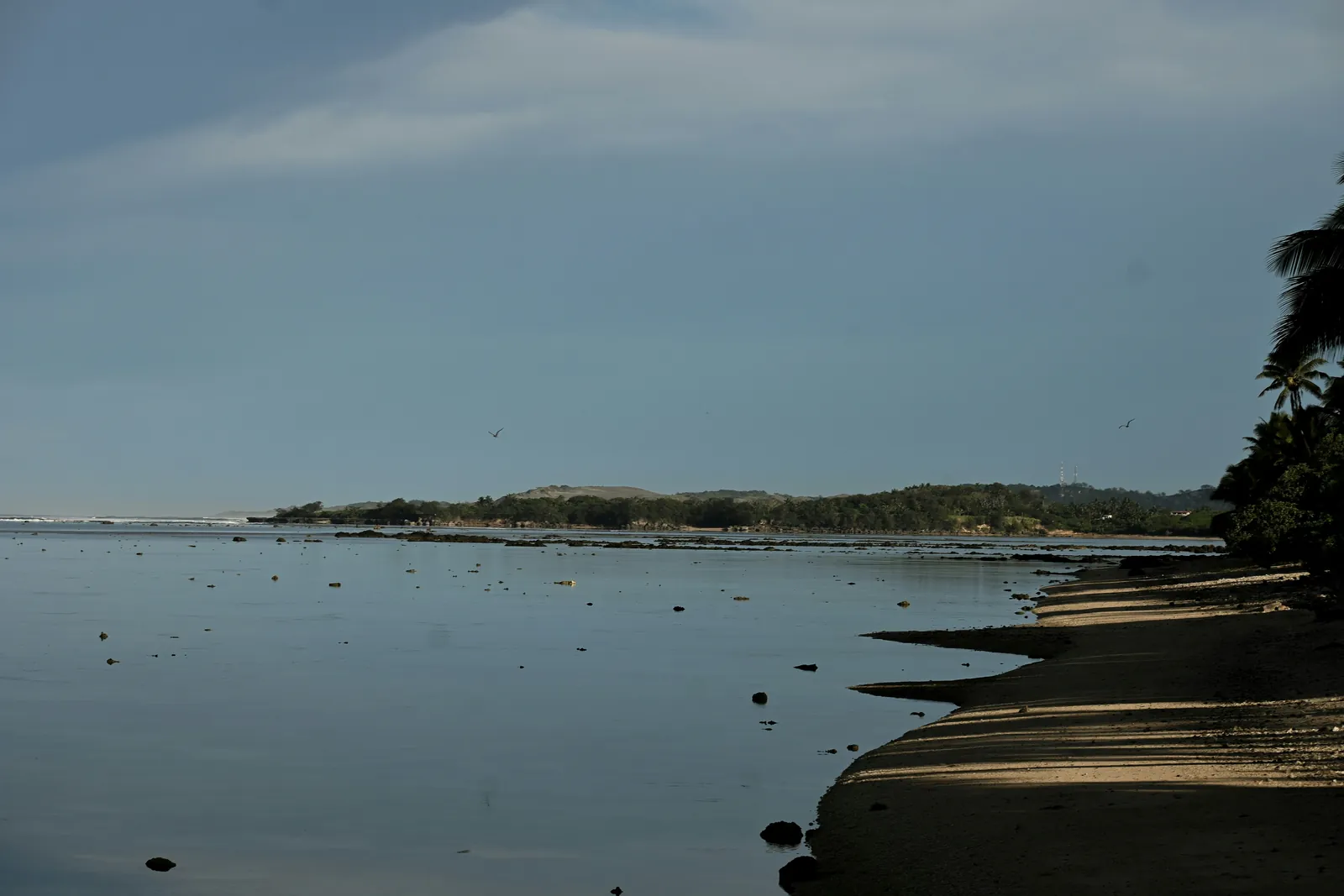
There are no official figures on where Australians settle in Fiji. Here are five places to compare.
| Area | What it’s like | Getting around | Hospital | Airport |
|---|---|---|---|---|
| Nadi and Denarau | West of Viti Levu, by the international airport; higher rents | Taxis and minibuses; Denarau about 25 minutes from the airport | Public hospital in Nadi, private centres; main hospital in Lautoka | Nadi International |
| Suva | The capital, on the south-east coast; our cost base | Taxis and buses; wetter all year | Main referral hospital and private hospitals | Domestic flights from Nadi |
| Pacific Harbour | South coast town with a championship golf course | About 1 hour by road from Suva | Nearest hospitals in Suva | Nadi, about 2.5 hours by road |
| Coral Coast | Beach towns from Sigatoka towards Suva | 45 minutes to 2 hours by road from Nadi airport | Public hospital in Sigatoka | Nadi |
| Savusavu | Town and port of entry for yachts on Vanua Levu | About 55 minutes’ flight from Nadi, or a ferry from Suva | Public hospital; main hospital in Labasa | Domestic flights from Nadi |
Nadi and Denarau sit by the international airport on the west of Viti Levu, the main island. Denarau is a small resort island with a marina for boats to the outer islands. Rents are higher here on Numbeo’s figures.
Suva is the capital, with the Australian High Commission and the Ministry of Immigration. It is much wetter than Nadi: even July, its driest month, averages 142 mm of rain.
Pacific Harbour and the Coral Coast are on Viti Levu’s south coast, between Nadi and Suva. Sigatoka, the Coral Coast’s market town, has a public hospital.
Savusavu, on the south coast of Vanua Levu, Fiji’s second-largest island, is the island’s tourism hub and a port of entry for yachts, Tourism Fiji says.
Smartraveller says flooding is common in downtown Nadi and on the Coral Coast, and floods can cut road access to the airports.
Renting or buying a home
Australians can rent anywhere in Fiji. Buying is narrower, because Fiji’s Land Sales Act treats anyone who isn’t a Fiji citizen as a non-resident.
Inside towns and cities. Since the 2014 amendment to the Act, State or freehold residential land inside a town or city boundary can’t be sold, transferred or leased to a non-resident. The exceptions are a strata or unit title (a flat or unit), a home in an integrated tourism development, and a tenancy of up to 5 years. Land can also pass to a non-resident from an immediate family member or by inheritance.
Outside towns. A non-resident can buy residential land outside town boundaries. If the land is vacant, the Act requires a new home costing at least FJ$250,000 (about A$161,000), finished within 5 years. That period was 24 months until 1 August 2023. If the home isn’t finished in time, the owner pays the State 10% of the land price every 6 months until it is. Buying or leasing more than 1 acre in total needs the written consent of the Minister responsible for land, who can refuse without giving a reason, and there is no appeal.
iTaukei land. The iTaukei Land Trust Board looks after 91% of Fiji’s land on behalf of its customary owners. Fiji’s Constitution says iTaukei land can’t be permanently sold, except to the State, so it is dealt with through leases and licences from the Board.
The permit link. The residence permit accepts a property worth FJ$100,000 (about A$64,250) or more in place of the remittance, so the two decisions are tied together.
Smartraveller’s retirement advice warns that you may not have the same rights as a local partner when it comes to owning real estate. It suggests independent local advice before any big financial commitment, and a review of your will if you buy property overseas. A property lawyer in Fiji can check the title, the land type, the town boundary and whether consent is needed. Our guide to overseas property and visa scams covers the warning signs. For the Australian side, see whether to keep, rent or sell the family home.
Tax: there and at home
The Fiji Revenue and Customs Service uses three tests for individuals. You are tax resident if you live in Fiji, if your permanent home is in Fiji, or if you are in Fiji for 183 days or more in any 12-month period. Meeting any one of them makes you a resident for the whole year. Residents are taxed on their worldwide income, and foreign tax already paid can be credited or settled under a tax treaty.
Under the Revenue and Customs Service’s rates in force from 1 January 2024, a resident’s first FJ$30,000 a year (about A$19,280) is tax-free. Income from there up to FJ$50,000 (about A$32,130) is taxed at 18%, then 20% up to FJ$270,000 (about A$173,000), with higher rates above that.
Australia and Fiji have had a tax treaty since 28 December 1990, and it is on Treasury’s list of income tax treaties. Article 18 says pensions and annuities paid to a resident of one country are taxable only in that country. Government service pensions are covered separately, in article 19. How these articles apply to your Age Pension, super and other income is a question for a tax adviser.
At home, the ATO’s residency tests decide whether you are still an Australian resident for tax; our guide to tax residency when you retire overseas walks through them. If you become a foreign resident, you lose the tax-free threshold, so Australian income such as rent is taxed at 30% from the first dollar (2025-26), as the foreign resident tax rates show. Sell your Australian home while you are a foreign resident and, for sales after 30 June 2020, you generally lose the main residence exemption from capital gains tax, apart from narrow life events.
Talk to a registered tax agent in Australia, and to a tax adviser in Fiji about how it treats your pension and super, before you go.
Money and banking
The Fiji dollar is the local currency, and Smartraveller says Australian dollars are easy to exchange. ATMs are common in towns and large resorts; take cash for villages and remote areas. Card skimming happens, and Smartraveller suggests ATMs with a security guard where you can. You must declare more than FJ$5,000 (about A$3,210) in any form of money when you arrive, and more than FJ$10,000 (about A$6,430) when you leave.
Exchange controls. Fiji controls money moving out of the country, through the Reserve Bank of Fiji. Its guidelines from 1 January 2026 let pension payments go into a Fiji dollar “external” account in full. Money in an external account can be sent back overseas without exchange control limits, provided the paperwork for each deposit was in order. From an ordinary local account, a bank can approve transfers by a foreign passport holder of up to FJ$250,000 (about A$161,000) a family a year to their own account offshore. Larger amounts need the Reserve Bank’s approval, and anything over FJ$20,000 (about A$12,850) a year needs a tax clearance.
Your pension. Services Australia pays every 2 weeks into your Australian account if you’ll be away less than 12 months. Away longer, it pays every 4 weeks into an Australian or overseas account. Paid in Fiji, it goes into a Fiji dollar account, set up with Services Australia’s international bank account form (AUS178), and usually arrives within 2 to 6 days. Bank fees are yours. Our guide to living overseas on the Age Pension has the numbers.
A local account. Fiji’s banks set their own rules for foreigners, so the bank itself can tell you what it needs. The FJ$100,000 (about A$64,250) for the residence permit is sent to Fiji, and the older Washington embassy page says it goes into a resident account at a local bank.
Moving money. The main options are a transfer from your Australian bank, a currency transfer service, or cash from an ATM on an Australian card. Each charges a fee and builds a margin into its exchange rate; ask for both.
Currency swings. Your pension is in Australian dollars and prices are in Fiji dollars, so the exchange rate sets what a month really costs. At our average rate (A$1 = FJ$1.5564), FJ$1,000 is about A$640. If the Australian dollar fell 10%, the same FJ$1,000 would cost about A$710.
Day to day
Language. The Ministry of Immigration’s forms and web pages are in English. Fiji’s Constitution was adopted in English, with translations in iTaukei (Fijian) and Hindi, and the English version wins if they differ.
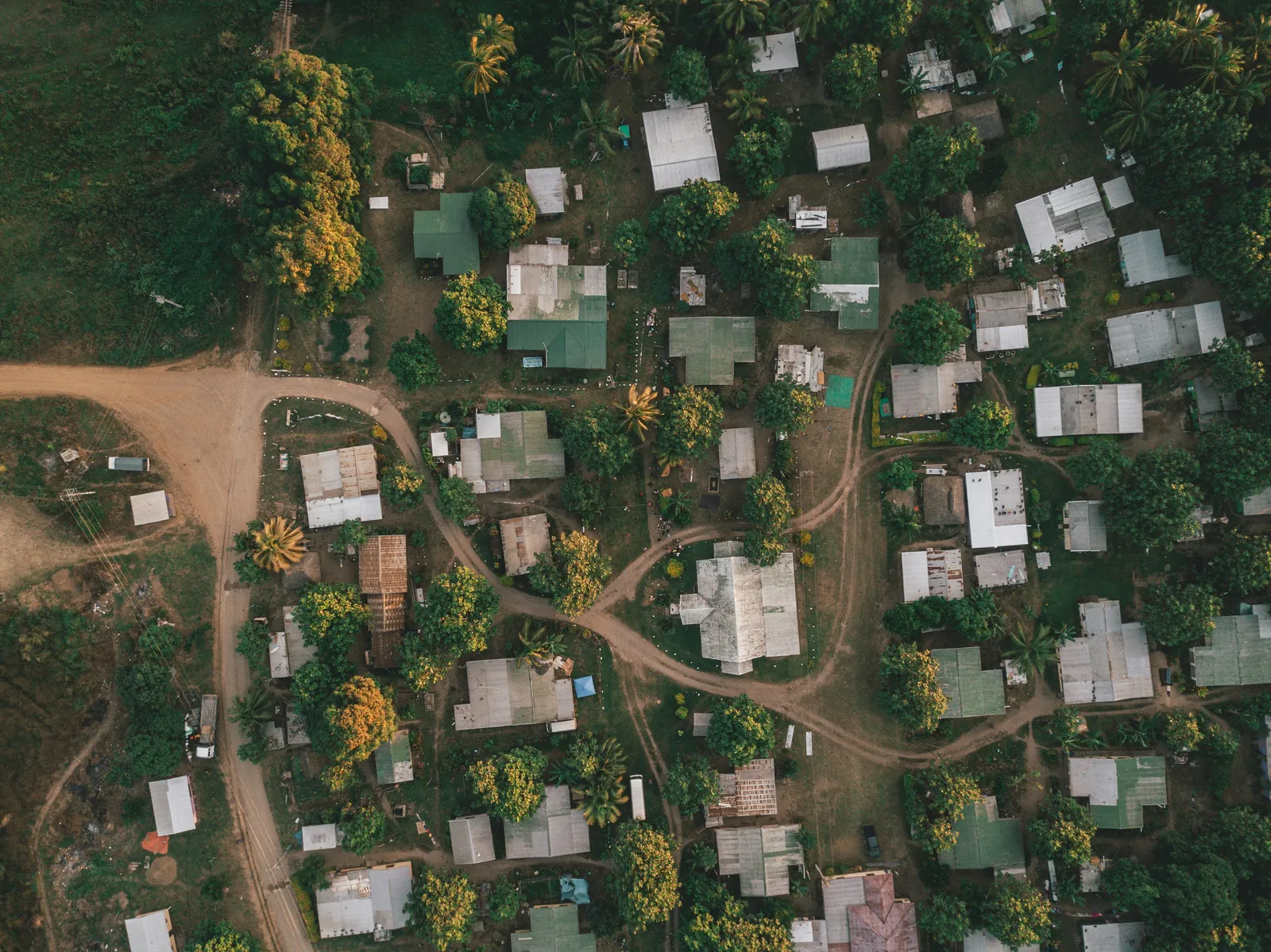
Getting around without driving. The Land Transport Authority licenses taxis. Smartraveller says to use only taxis with yellow number plates, carry Fiji dollars and check the meter is on. LT plates are metered; LH taxis charge fixed rates by distance. Minibuses with yellow plates are approved; others may not be insured. For boats, Smartraveller says to check the operator and safety gear, and not to travel by sea after dark.
Driving. You can drive on your Australian licence for the first 6 months after you arrive. After that you need a Fijian licence from a Land Transport Authority office. Carry the plastic card, as digital licences may not be accepted. Smartraveller says driving is most risky at night, with poor street lighting, stray animals and poor roads.
Safety. Smartraveller’s advice for Fiji is to exercise normal safety precautions, its lowest level. Crime includes robbery, theft, assault and burglary, and it is worse in urban areas and at night. Smartraveller asks for care at tourist attractions, naming Colo-i-Suva and other parks and nature trails. Methanol in bad alcohol has killed people overseas, Australians among them, so Smartraveller says to drink only branded, sealed drinks. You can go to jail for any amount of illegal drugs. Outside tourist areas, dress is conservative, especially in villages.
Weather. The west, around Nadi, is drier from May to October. Suva is wet all year.
| Month | Nadi average high | Nadi average low | Nadi rain | Suva rain |
|---|---|---|---|---|
| January | 32°C | 23°C | 299 mm | 315 mm |
| February | 32°C | 23°C | 302 mm | 286 mm |
| March | 31°C | 23°C | 324 mm | 371 mm |
| April | 31°C | 22°C | 163 mm | 391 mm |
| May | 30°C | 20°C | 78 mm | 267 mm |
| June | 29°C | 19°C | 62 mm | 164 mm |
| July | 29°C | 18°C | 46 mm | 142 mm |
| August | 29°C | 18°C | 58 mm | 159 mm |
| September | 29°C | 19°C | 77 mm | 184 mm |
| October | 30°C | 20°C | 103 mm | 234 mm |
| November | 31°C | 22°C | 138 mm | 264 mm |
| December | 31°C | 22°C | 159 mm | 263 mm |
Figures: Fiji Meteorological Service averages for 1961 to 1990, published by the World Meteorological Organization. Smartraveller adds that earthquakes and tsunamis can occur in Fiji.
Public holidays. Cabinet endorsed 11 public holidays for 2026, The Fiji Times reported. Among them are Girmit Day on 15 May, Fiji Day on 10 October and Diwali on 9 November, as well as Easter and Christmas.
Making friends. A class or a church group gives you the same faces each week. If you’re going alone, see retiring overseas single.
Getting there and coming home

Non-stop flights from Sydney to Nadi take about 4 hours, from Brisbane about 3.5 hours and from Melbourne about 4 hours 50 minutes, Tourism Fiji says. Federal government airline figures for June 2026 also show flights to Nadi from Adelaide, Canberra and Cairns. Suva and Savusavu are a domestic flight on from Nadi. Check routes when you book, as they change.
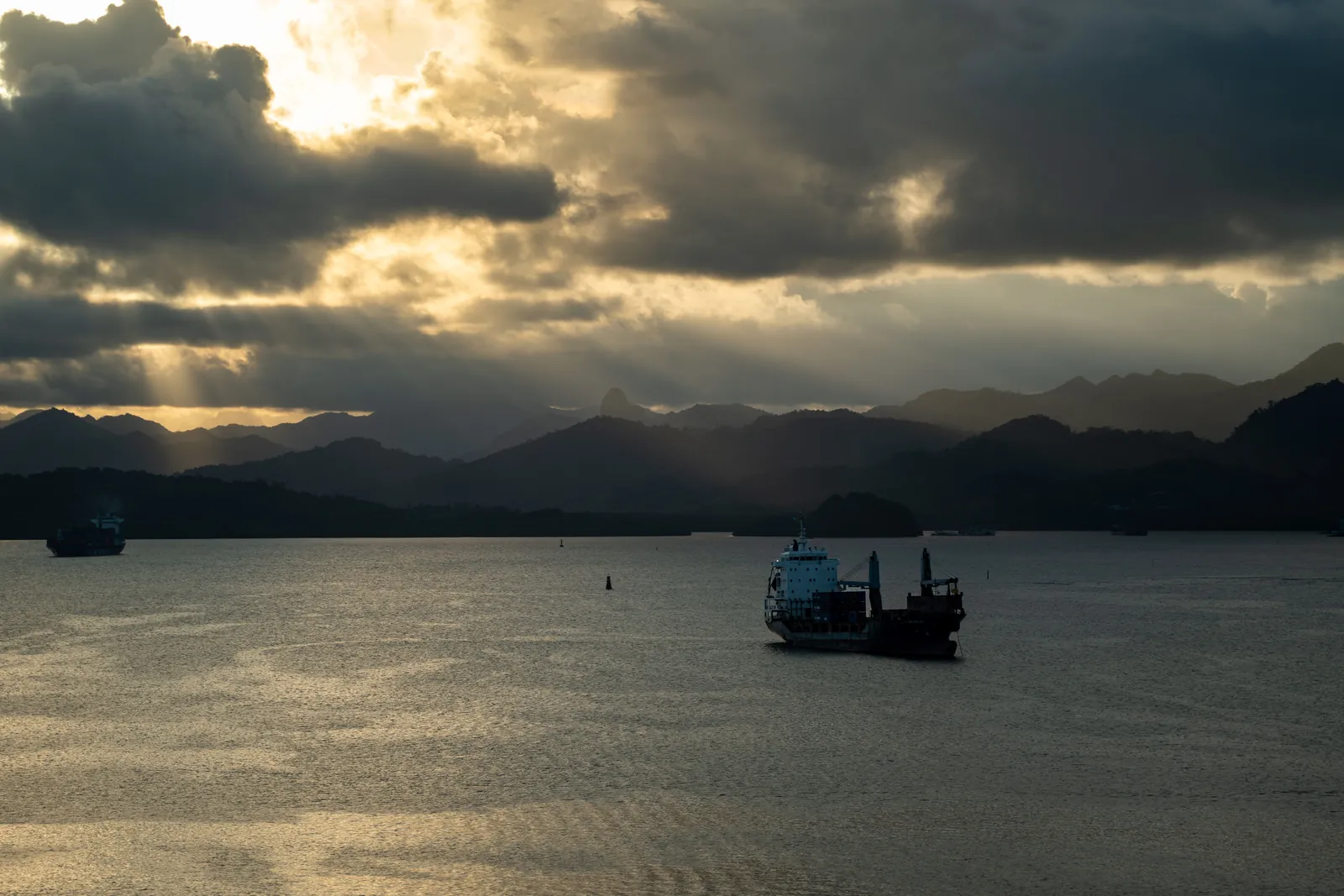
Smartraveller says November to April is cyclone season, although cyclones can come at other times. Flights can then be delayed or suspended, and the ones still flying fill quickly.
Fiji doesn’t use daylight saving. It is 2 hours ahead of Sydney, Melbourne and Brisbane in our winter, 1 hour ahead of Sydney and Melbourne in daylight saving, and 4 hours ahead of Perth. A trip back for a birthday or a specialist appointment is about 4 hours in the air each way, which matters if you have grandchildren in Australia.
Your first steps
One order that works, from a first visit to living there. The right order for you depends on your health, your home and your money.
- Ask for help first. Book a free planning session on Zoom, or contact our team. Once we understand your situation, we can point you in the right direction.
- Visit in the dry season and again in cyclone season, in the area you’d live. Smartraveller suggests a temporary move of 6 to 12 months first; see trying before you move.
- Talk it over with your partner and family, including who would fly over if you got sick. Our guide to talking to your family has ways to start.
- Check what happens to your pension at 6, 12 and 26 weeks. If you haven’t claimed it yet, the claim has to be made while you live in Australia.
- See your GP about your medicines and how you’d get them in Fiji. With an ongoing condition, read retiring overseas with a health condition.
- Find out what health cover you can get at your age, evacuation included. Start with travel insurance for long stays.
- Work out what happens to the house, and whether it counts for the pension while you are away.
- Ask Fiji’s Ministry of Immigration or High Commission which papers the permit needs, then order your police check and get documents notarised and legalised in Australia.
- Arrive on a visitor permit, rent somewhere, and lodge the permit application through Immi Hub, or through a licensed visa agent in Fiji.
- Ask a Fiji bank what it needs to open an account, and which account type suits money from overseas under the exchange controls.
- Tell Services Australia you are leaving, and set up how your pension will be paid. See taking your Age Pension overseas.
- Know your nearest hospital, the 911 number, and how you’d pay for an evacuation.
- Keep a way back: coming home covers your pension and Medicare.
Questions people ask
How long can an Australian citizen stay in Fiji?
Up to 4 months on the visitor permit you get on arrival. You can apply to extend it by up to 2 more months before it runs out, which makes 6 months in all. The extension costs FJ$93 (about A$60).
Can Australians retire in Fiji?
Yes, if you are 45 or over and live on income or assets from outside Fiji. The residence permit on assured income runs for 3 years once you’ve sent FJ$100,000 (about A$64,250) to Fiji or bought a property worth that much. It doesn’t allow work.
How do you retire in Fiji from Australia?
The usual order: claim the Age Pension before you leave if you are eligible, and get your police check and documents ready in Australia. Then arrive on a visitor permit and apply online to Fiji’s Ministry of Immigration for the residence permit on assured income.
How much does it cost to retire in Fiji?
Our estimate for a month in Suva is about A$3,630 for a couple and A$2,750 for one person, rent included, before health insurance. The permit also means sending FJ$100,000 (about A$64,250) to Fiji or buying property.
Can foreigners buy property in Fiji?
Yes, with limits. Inside towns and cities, non-residents (anyone who isn’t a Fiji citizen) can buy a strata unit or a home in an integrated tourism development, but not house land. Outside towns, vacant land comes with a rule to build a home costing at least FJ$250,000 (about A$161,000) within 5 years.
Is Fiji a safe place to retire?
Smartraveller’s advice is to exercise normal safety precautions in Fiji. Crime is most likely in urban areas and at night, including around Suva and Nadi. Cyclones, floods and limited medical care need more planning.
Can I get my Age Pension in Fiji?
Yes. It keeps paying, with the usual 6, 12 and 26-week rules. Fiji has no social security agreement with Australia, so you claim it before you leave.
Does Medicare cover me in Fiji?
No. There’s no reciprocal health care agreement with Fiji. Smartraveller says you need travel insurance for a visit, covering all medical costs including evacuation, and the usual cover for living there is international health insurance. Medicare still covers citizens back in Australia for up to 5 years after they move.
Is Fiji a good fit?
Good for
- Being close to family: about 4 hours from Sydney, 3.5 from Brisbane
- People 45 and over with savings to bring in or a property to buy
Think about
- Limited medical care, with evacuation to Australia for serious cases
- Cyclone season from November to April, and flooding around Nadi
- No Medicare or social security agreement
- Non-residents can't buy house land inside towns and cities, only a strata unit
- Exchange controls on moving money back out of Fiji
- Rents near Nadi are higher than in Suva
Places to compare
- New ZealandAustralian citizens get a resident visa on arrival and home is a short flight away. There is a reciprocal health care agreement too.
- BaliA short flight from Australia, with quieter towns such as Sanur.
- MauritiusA 10-year residence permit from age 50 for people living on their own income, and non-stop flights from Perth.

Guides for this place
- The 6, 12 and 26-week rulesWhat happens to your Age Pension at 6, 12 and 26 weeks overseas, updated for the Pension Supplement change of 20 September 2026. Checked October 2026.
- Claim before you leaveCan you claim the Age Pension while overseas? You must be living in and physically in Australia on the day you claim. The agreement countries, checked 2026.
- Medicare overseasDoes Medicare cover me overseas? No. The 11 reciprocal agreement countries, none in Asia, and the 5-year rule for Medicare on visits home. Checked 2026.
- Health insurance by ageInternational health insurance for over 70s living overseas: why age matters, the types of cover, and the questions to ask a broker. Checked October 2026.
- Retirement visas by ageRetirement visa age requirements by country for Australians: the youngest age and the money rules in Thailand, Malaysia, the Philippines, Portugal and Spain.
- Tax residencyIf you retire overseas, do you still pay tax in Australia? The ATO's four tax residency tests, what it weighs, and what changes for a foreign resident.




Sources
- Smartraveller: Fiji, checked 21 October 2026 (page updated 19 October 2026)
- Smartraveller: Going overseas to retire, checked 21 October 2026 (page updated 18 August 2026)
- Smartraveller: How to get your documents legalised, checked 21 October 2026 (page updated 30 September 2026)
- Smartraveller: Notarial services (apostille fee A$105; fees rise with the CPI each 1 January), checked 21 October 2026 (page updated 30 September 2026)
- Fiji Ministry of Foreign Affairs, High Commission in Wellington: Visa, permits and waivers (visa-exempt list as at 20 September 2023), checked 21 October 2026
- Fiji Ministry of Immigration: Residence permit on assured income, checked 21 October 2026
- Fiji Ministry of Immigration: Application forms and fees (extension of visitor's permit FJ$93; extension of residence permit FJ$650.05), checked 21 October 2026
- Fiji Ministry of Foreign Affairs, Embassy in Washington DC: Residency (older summary of the assured income permit), checked 21 October 2026
- The Fiji Times: Fiji Immigration issues warning over fake e-visa website scam, checked 21 October 2026 (article dated 11 August 2025)
- Australian Federal Police: Apply for a National Police Certificate (fees and processing times), checked 21 October 2026
- HCCH: Status table, Apostille Convention (Fiji, in force 10 October 1970), checked 21 October 2026
- Services Australia: Travel outside Australia rules for Age Pension, checked 21 October 2026
- Services Australia: Payment schedule and rates for people outside Australia, checked 21 October 2026 (page dated 24 September 2026)
- Services Australia: Payments while outside Australia (overseas bank accounts), checked 21 October 2026
- Services Australia: International bank account form (AUS178), Fiji on the local currency account list, checked 21 October 2026 (page updated 18 September 2026)
- Services Australia: Which countries have international social security agreements with Australia, checked 21 October 2026 (page dated 3 March 2022)
- Services Australia: About reciprocal health care agreements, checked 21 October 2026 (page dated 15 September 2026)
- Services Australia: Enrolling in Medicare if you're an Australian citizen, checked 21 October 2026 (page dated 30 June 2025)
- Services Australia: Enrolling in Medicare if you're an Australian permanent resident, checked 21 October 2026 (page dated 11 July 2025)
- Department of Social Services: FOI LEX 56898, Age Pension recipients by country (31 December 2025), checked 21 October 2026
- Numbeo: cost of living in Suva (in US dollars), checked 21 October 2026 (last updated 2 October 2026)
- Numbeo: cost of living in Nadi (in US dollars), checked 21 October 2026 (last updated 2 October 2026)
- Reserve Bank of Australia: historical exchange rates, F11.1 (12-month average US dollar rate to 30 September 2026), checked 21 October 2026
- Reserve Bank of Fiji: statistical table 8.8, daily exchange rates (RBF mid-rate; average of 251 daily US dollar rates, 1 October 2025 to 30 September 2026: FJ$2.2494 to US$1, so A$1 = FJ$1.5564), checked 21 October 2026 (data to 19 October 2026)
- Reserve Bank of Fiji: Exchange Control Guidelines effective 1 January 2026, checked 21 October 2026
- FBC News: Nadi business body welcomes National Budget (vehicle import duty), checked 21 October 2026 (article dated 26 June 2026)
- Consumer Council of Fiji: Refund of rental bonds, checked 21 October 2026 (no date shown)
- US Department of Commerce, International Trade Administration: Fiji Country Commercial Guide, Healthcare, checked 21 October 2026 (guide dated 15 May 2026)
- GOV.UK: List of English speaking doctors and medical facilities in Fiji, checked 21 October 2026 (page updated 27 January 2022)
- The Fiji Times: Hospital bed upgrade rolls out (Nadi and Sigatoka hospitals), checked 21 October 2026 (article dated 27 August 2026)
- fijivillage: $7.2m allocated for Savusavu and Labasa Hospitals and CWM Hospital maternity ward, checked 21 October 2026 (article dated 16 July 2022)
- Land Sales (Amendment) Act 2014, Act No. 16 of 2014 (PacLII), checked 21 October 2026
- Land Sales (Budget Amendment) Act 2023, Act No. 15 of 2023 (PacLII): 5 years to build, in force 1 August 2023, checked 21 October 2026
- Land Sales Act (Cap. 137), section 6, purchase of land by non-residents (PacLII), checked 21 October 2026
- Constitution of the Republic of Fiji 2013 (Constitute Project), sections 3 and 28, checked 21 October 2026
- iTaukei Land Trust Board: Corporate profile (91 percent of Fiji's land is iTaukei land), checked 21 October 2026
- Fiji Revenue and Customs Service: Tax Talk article, Income declaration for resident individuals (published by the Fiji Hotel and Tourism Association), checked 21 October 2026 (article from April 2019)
- Fiji Revenue and Customs Service: Standard Interpretation Guideline 2024-09, change in income tax rates for individuals, checked 21 October 2026 (in effect from 1 January 2024)
- Fiji Revenue and Customs Service: Standard Interpretation Guideline 2019-12, foreign tax credit, checked 21 October 2026
- Agreement between Australia and Fiji for the Avoidance of Double Taxation, 15 October 1990, articles 18 and 19 (PacLII), checked 21 October 2026
- Treasury: Income tax treaties (Fiji, in force 28 December 1990), checked 21 October 2026 (page updated 24 March 2026)
- ATO: Your tax residency, checked 21 October 2026 (page updated 3 June 2026)
- ATO: Tax rates, foreign residents (2025-26), checked 21 October 2026 (page updated 1 June 2026)
- World Meteorological Organization, World Weather Information Service: Nadi climate (Fiji Meteorological Service, 1961 to 1990), checked 21 October 2026
- World Meteorological Organization, World Weather Information Service: Suva climate (Fiji Meteorological Service, 1961 to 1990), checked 21 October 2026
- The Fiji Times: Cabinet confirms eleven 2026 public holidays, checked 21 October 2026 (article dated 3 September 2025)
- Tourism Fiji, Fiji Specialist training: Denarau, Nadi and Wailoaloa, checked 21 October 2026 (no date shown)
- Tourism Fiji, Fiji Specialist training: Coral Coast, checked 21 October 2026 (no date shown)
- BITRE: International Airline Activity, June 2026 (non-stop flights to Nadi by Australian city), checked 21 October 2026
- Tourism Fiji, Fiji Specialist training: Introduction to Fiji, how to get there (flight times to Nadi), checked 21 October 2026 (no date shown)
- Tourism Fiji, Fiji Specialist training: Pacific Harbour and Beqa Lagoon, checked 21 October 2026 (no date shown)
- Tourism Fiji: Discover Fiji (Vanua Levu and Savusavu), checked 21 October 2026 (no date shown)
- timeanddate.com: Daylight saving time in Suva, Fiji (not observed since January 2021), checked 21 October 2026
General information only, not financial, tax, legal, migration or insurance advice. Rules change: check the official source before you act, and talk to a licensed professional about your own situation.
Thinking about Fiji?
Tell us what you have in mind, and we will help you plan it on a free Zoom call: when to go, how long for, and who with.
No pressure and no card details. You decide what comes next.